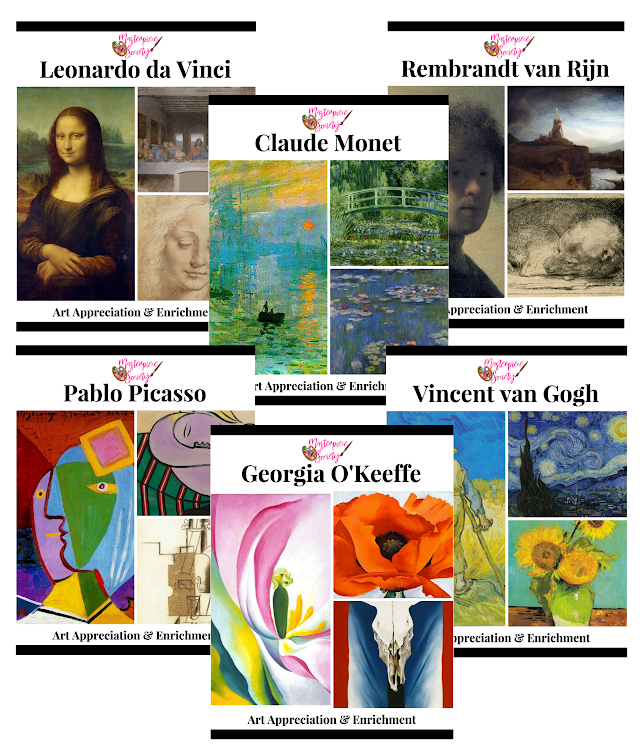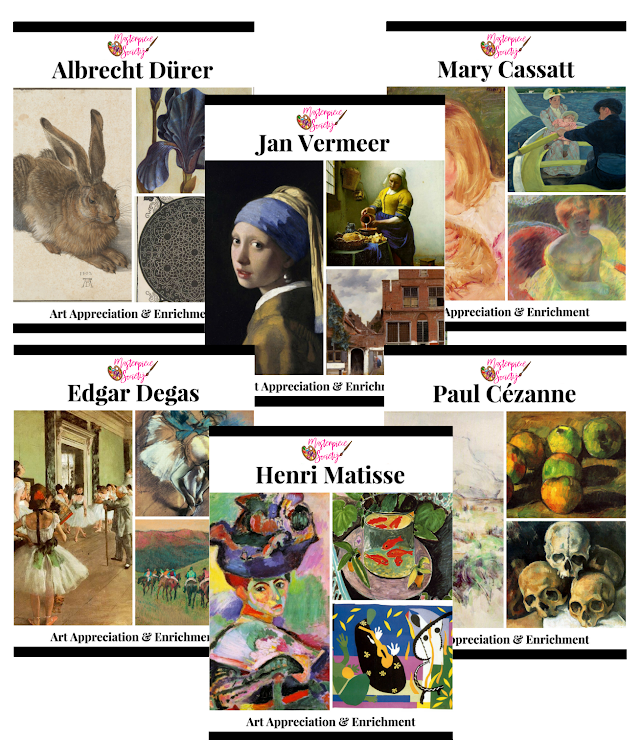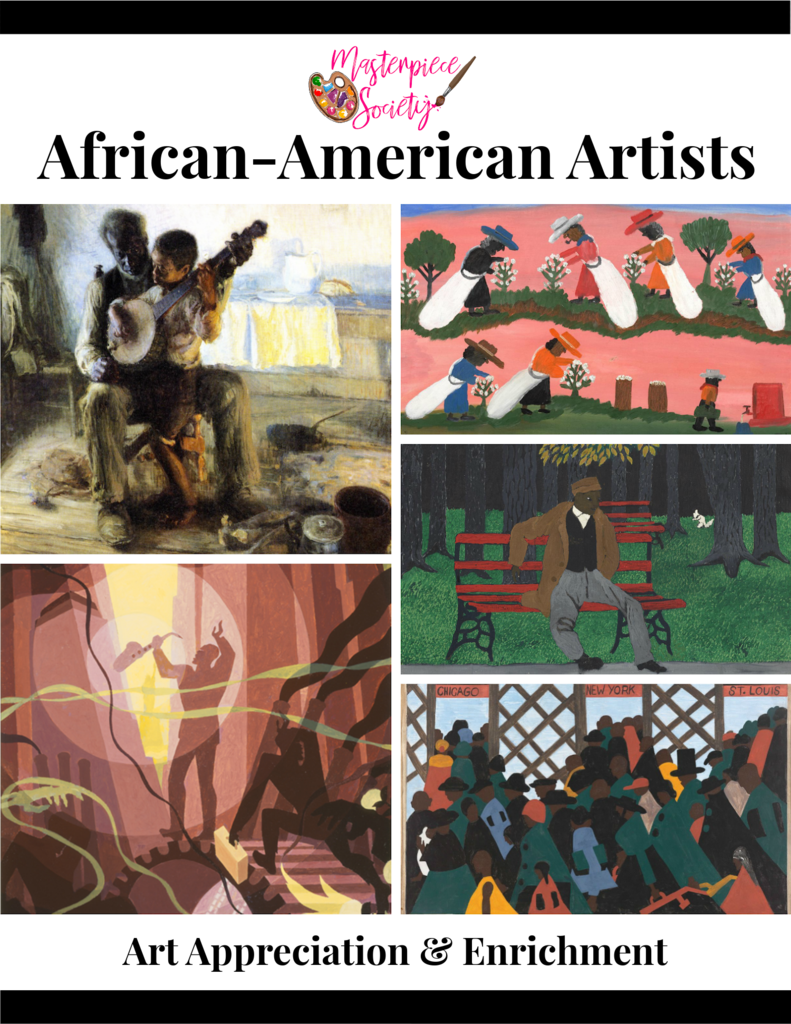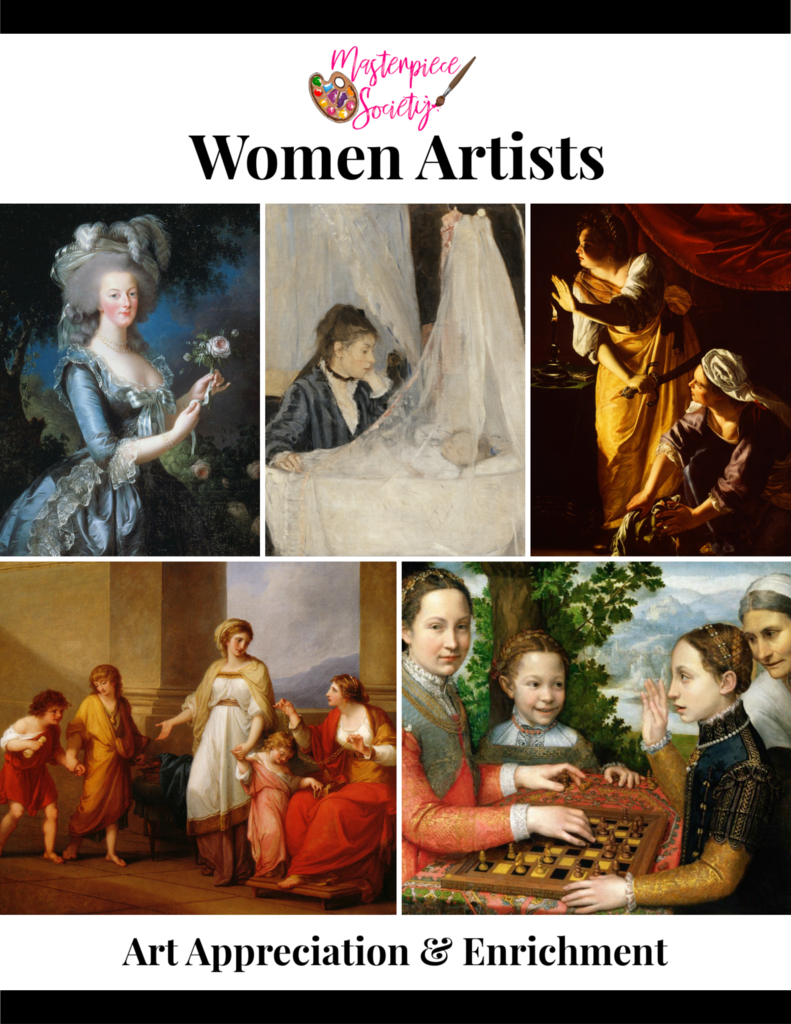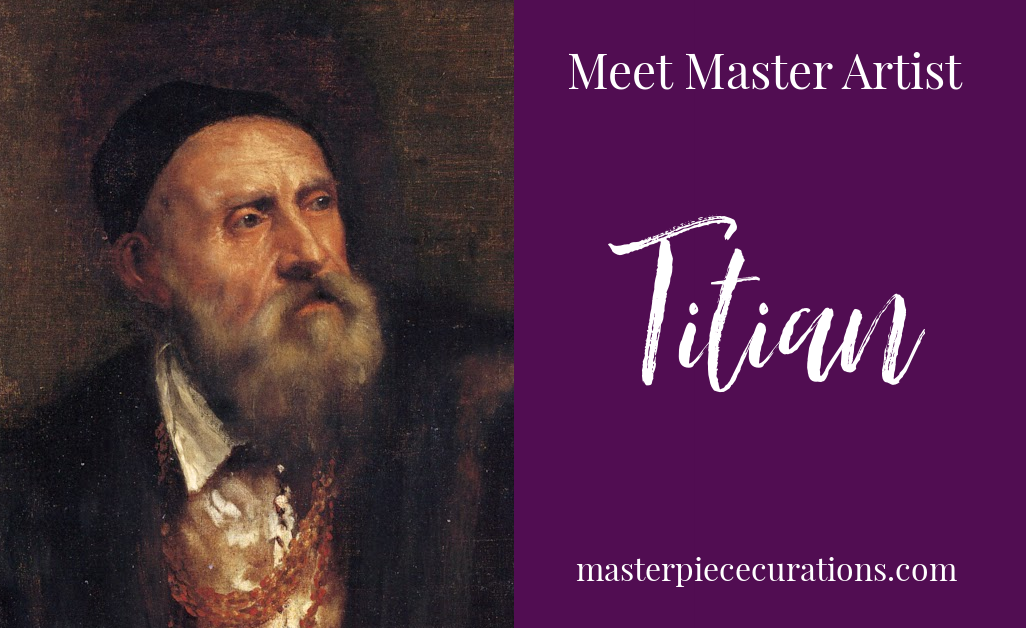
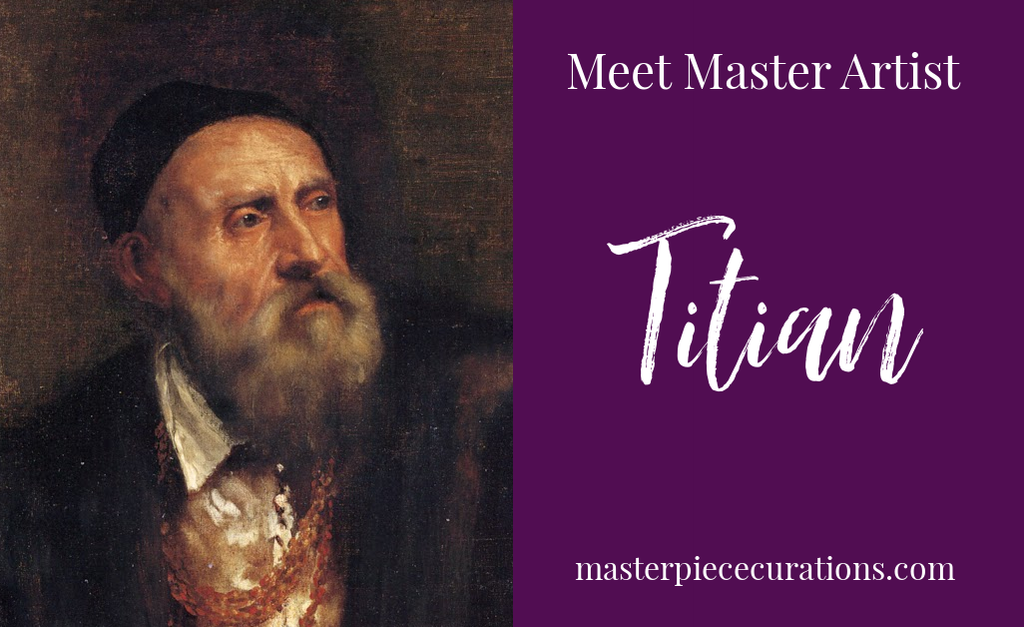
Tiziano Vecellio (Titian) was born in the Italian city of Pieve di Cadore on the river Piave in 1488. Learn more about this master artist in this FREE study by Masterpiece Society!
“The painter must always seek the essence of things, always represent the essential characteristics and emotions of the person he is painting.” ~Titian
The Early Life of Titian
Tiziano Vecellio (pronunciation) (Titian pronunciation) was born in the Italian city of Pieve di Cadore on the river Piave in 1488. He was one of six children born to Gregorio and Lucia Vecellio. His father was a respected official in his local parish, and his mother came from an aristocratic family.
Titian’s artistic talent was recognized early on. At the age of nine, he was already working as an apprentice to the Venetian painter Sebastiano Zuccato. Titian later became a pupil of Giorgione and was strongly influenced by his style, as well as that of Bellini and Raphael.
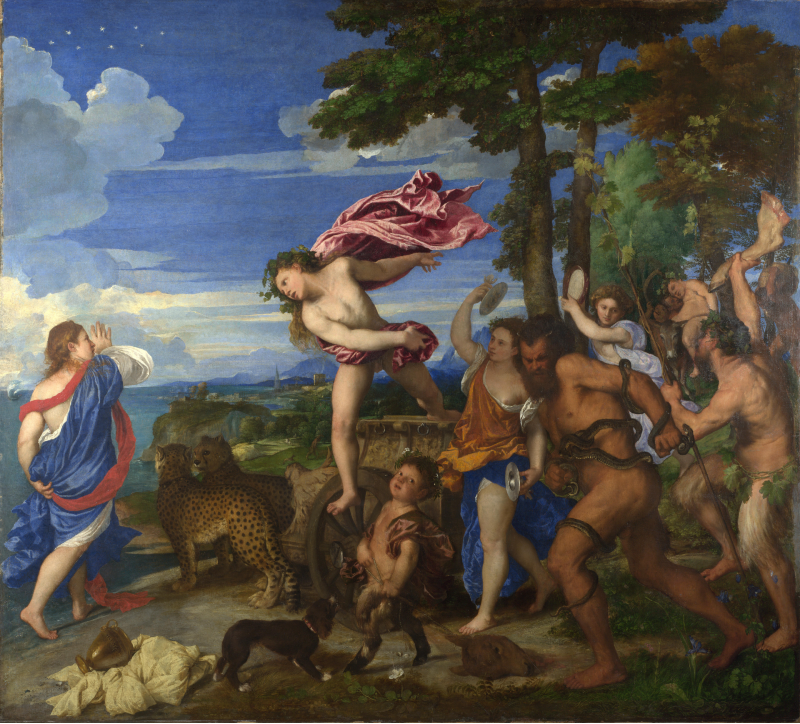
An Artist’s Career Begins
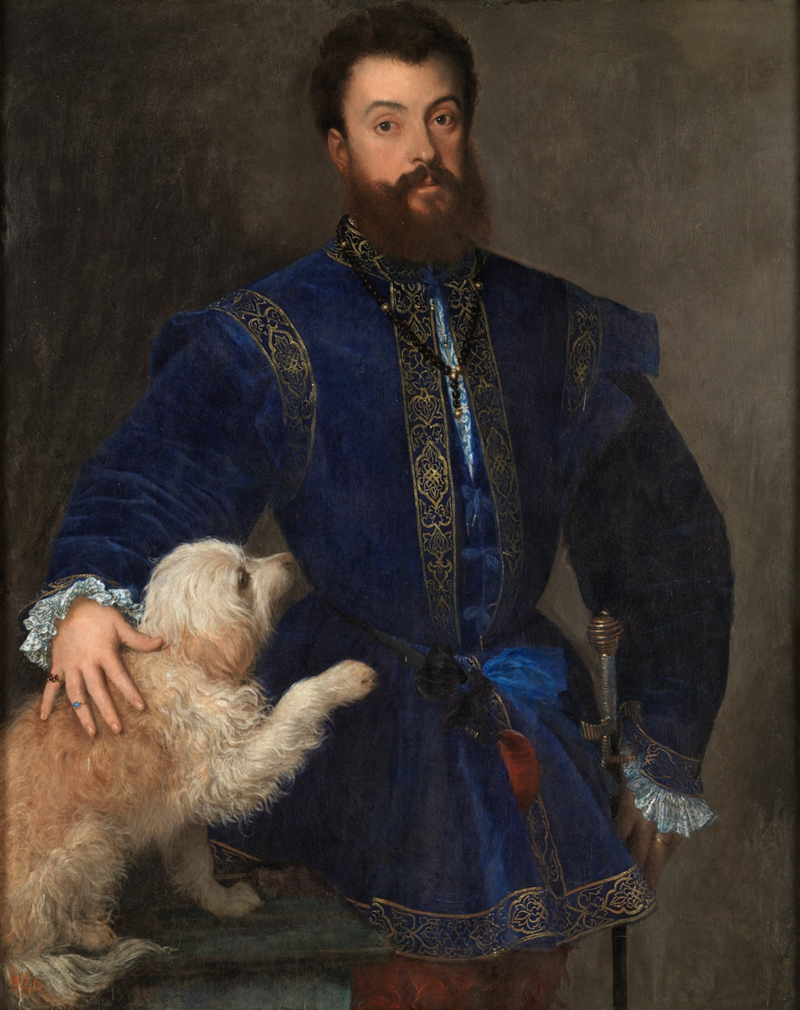
As he grew older, Titian developed a fascination with color and composition. He explored the use of warm, vibrant colors and vivid brushstrokes to create dynamic compositions in his works. His portraits were known for their emotional depth; he often captured the subtle expressions of his sitters in his paintings.
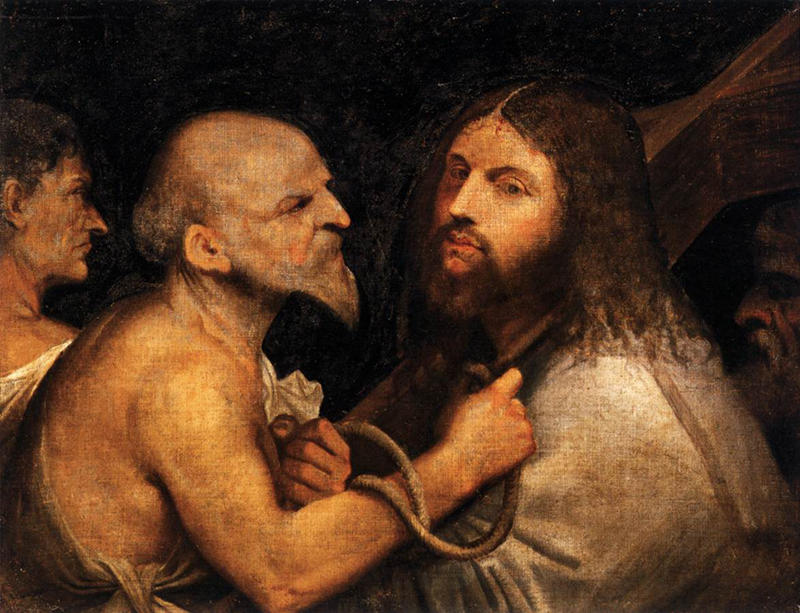
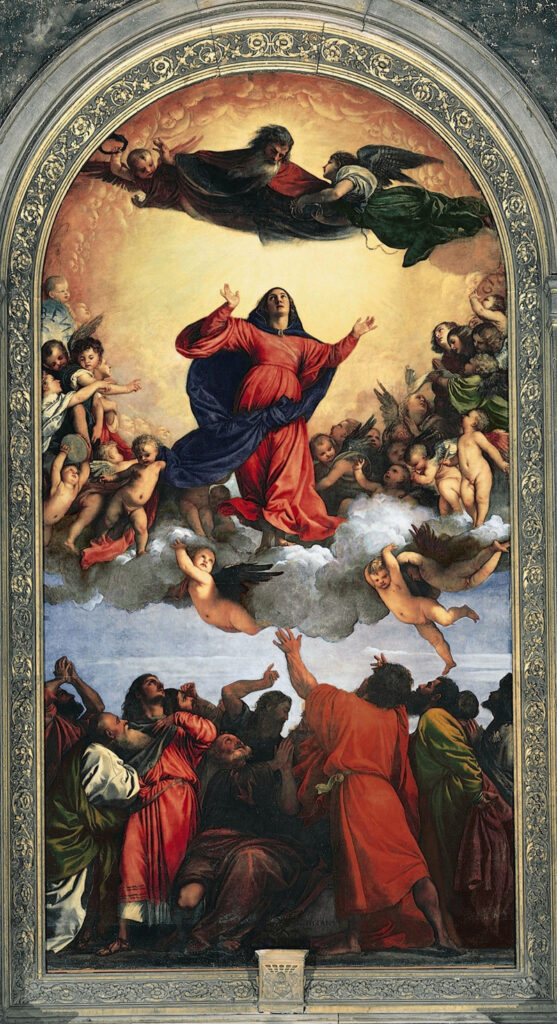
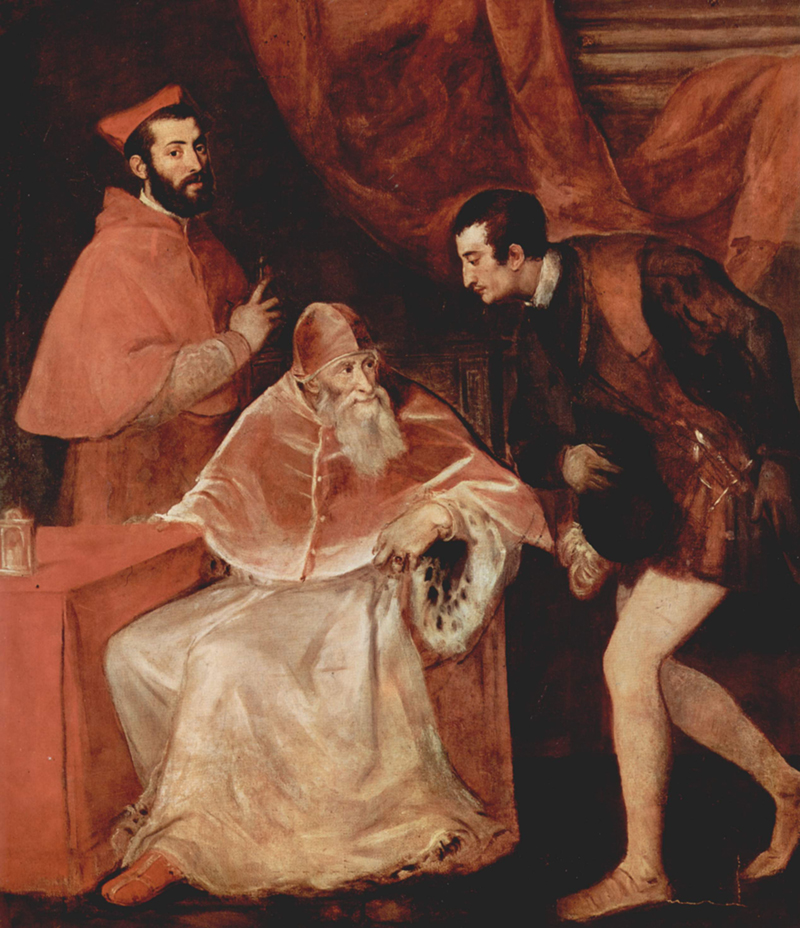
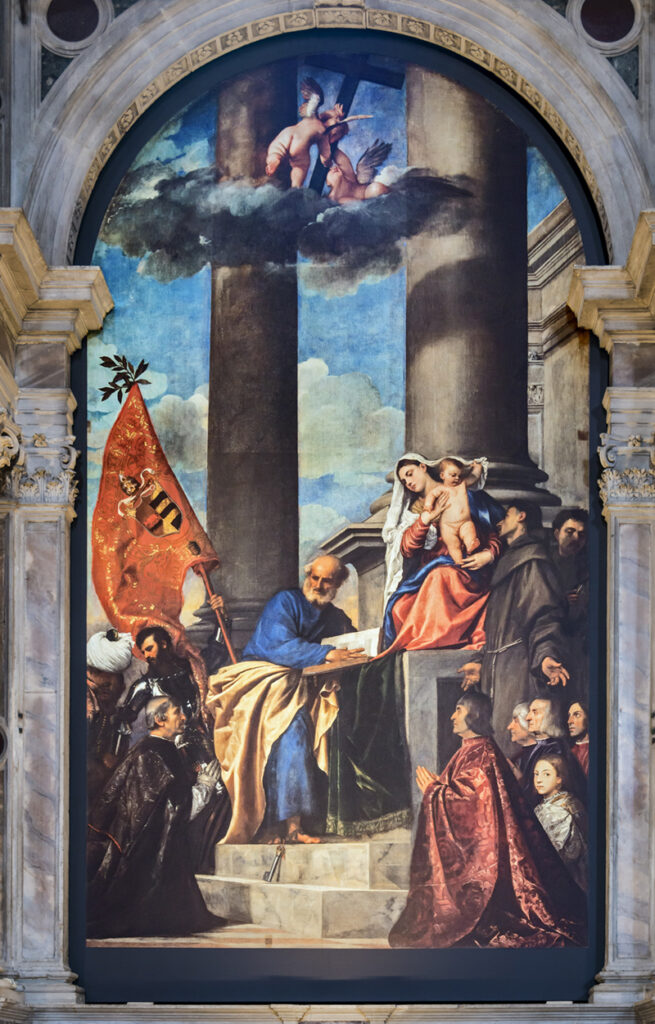
Titian gained fame with his large altarpieces for churches such as the Santa Maria dei Frari in Venice. He was favored by Pope Paul III and the Holy Roman Emperors Charles V and Philip II, who commissioned him to create several large works.
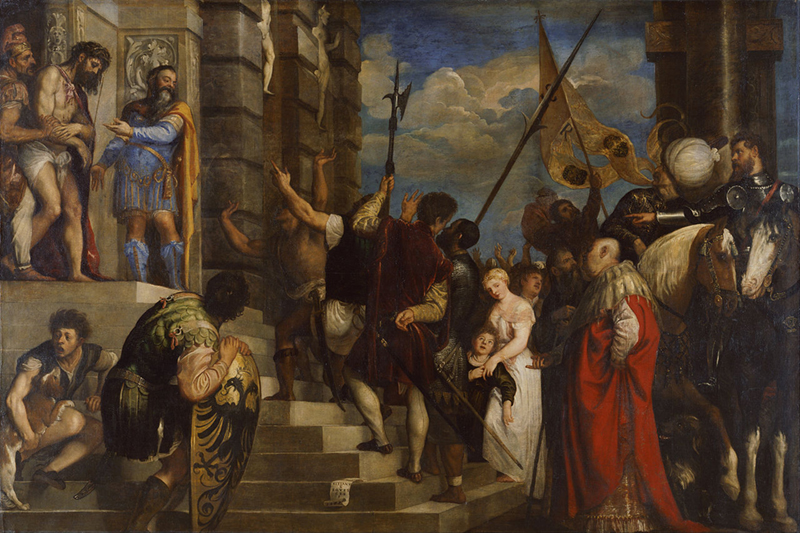
Titian’s dazzling use of color and mastery of composition made his work some of the best-known in Europe at the time.
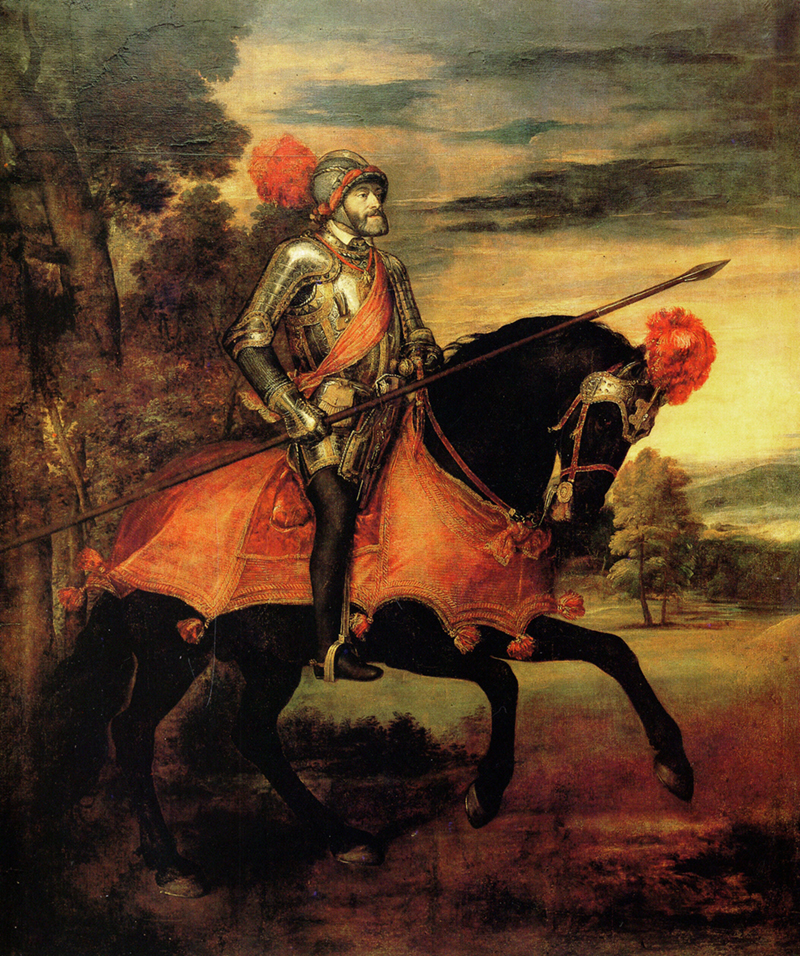
The Beginning of the End
Titian’s works earned him a wealth of patrons, including many noble families across Italy and Europe.
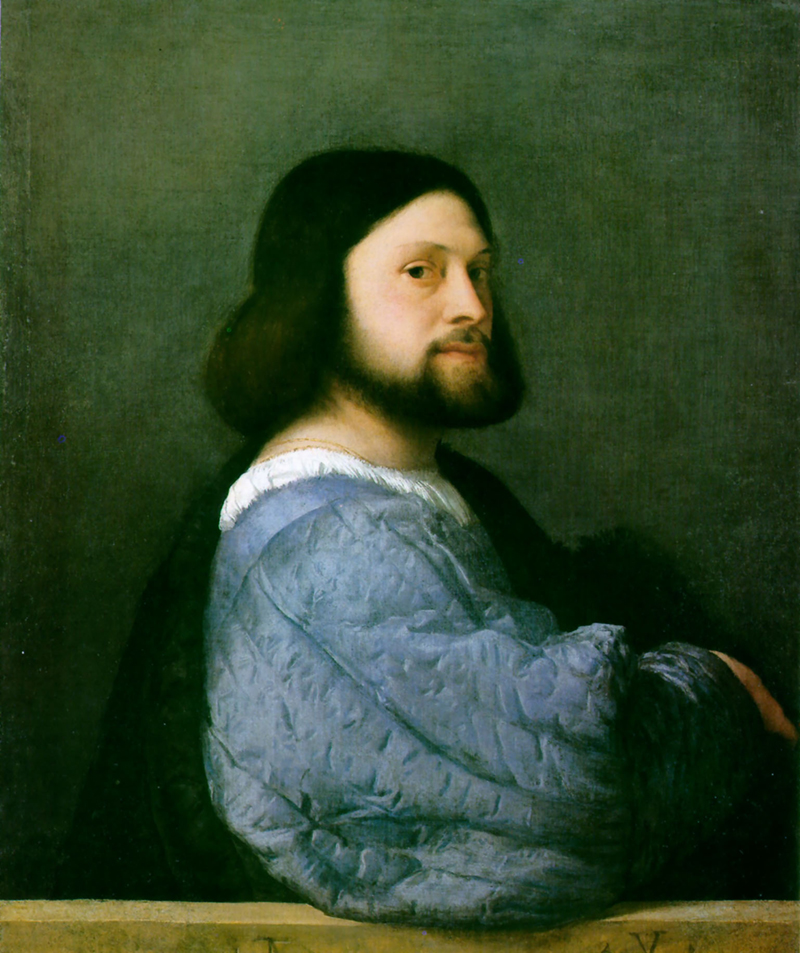
He married twice, first to Cecilia, who died in 1530, and then to Elena Corner. He had three children with his second wife – two sons and a daughter.
Titian’s later life was plagued by illness; he suffered from numerous ailments, including a stroke, which ultimately caused his death at the age of eighty-six in 1576.
Titian’s influence on the development of painting in Europe is profound and long-lasting, with his works being reprised by artists such as Rubens, Rembrandt, and Velazquez. His innovations and mastery of portraiture and landscape painting have left a lasting mark on the history of art.
Still curious? Learn more about the Renaissance here!
Titian (Painters Series) Lives of Titian (Lives of the Artists)Delphi Complete Works of Titian (Illustrated) (Masters of Art Book 15)