The Renaissance was one of the most extraordinary periods in the history of Western art. Beginning in Italy and spreading throughout the rest of Europe, the Renaissance brought renewed interest in art, literature, philosophy, architecture, and ideas within ancient Greece and Rome. Artists began to study the human body, observe the natural world more closely, experiment with perspective, and create paintings and sculptures with a new sense of realism and depth. Some of the most famous artists in history, including Leonardo da Vinci, Michelangelo, Raphael, Botticelli, and Titian, worked during the Renaissance.
In this guide, we’ll explore the Renaissance period, its historical background, the characteristics of Renaissance art and architecture, famous Renaissance artists and paintings, and picture study suggestions you can use with your children or students.
What Was the Renaissance?
The word Renaissance means “rebirth” and describes a period of European history that was characterized by a renewed interest in the literature, philosophy, art, science, and culture of classical Greece and Rome.
This spirit of curiosity had an enormous impact on art. Rather than copying the art that came before, Renaissance artists studied classical ideas and combined them with their own discoveries in nature, mathematics, anatomy, and science.
Renaissance artists wanted their paintings and sculptures to look convincing and lifelike, so they studied how light falls across a face, how objects appear smaller in the distance, and how mathematical principles could create believable architectural spaces. The result was a dramatic transformation in European art.
Renaissance art is especially known for its:
- realistic human figures and anatomy
- linear perspectives
- balanced compositions
- classical, religious, and mythological subjects
- light and shadow
- idealized beauty
- individual personality
Many Renaissance works still rank among the most recognizable paintings and sculptures in the world today.
When Was the Renaissance?
The Renaissance doesn’t have one precise beginning or ending date, as the cultural movements developed gradually. However, it is generally placed from approximately the 1300s through the 1500s, although its influence continued beyond that period. It is often divided into several stages:
Proto-Renaissance (Late 1200s–1300s)
Artists such as Giotto di Bondone began moving toward greater naturalism and emotional expression.
Early Renaissance (Approximately 1400–1490)
Florence became a major center of artistic innovation. Artists experimented with perspective, anatomy, classical architecture, and realistic representation. Important artists included Fra Angelico, Masaccio, Donatello, Filippo Brunelleschi, and Sandro Botticelli.
High Renaissance (Approximately 1490–1527)
The High Renaissance produced some of the most celebrated works in Western art, as artists achieved remarkable mastery of perspective, anatomy, composition, color, and the idealized human form. This relatively short period is associated especially with Leonardo da Vinci, Michelangelo, and Raphael.
Late Renaissance and Mannerism (Approximately 1520–1600)
As Renaissance ideals developed further, some artists began deliberately exaggerating proportions, poses, colors, and compositions. This style became known as Mannerism and helped lead toward the Baroque era.
Historical Background and Timeline of the Renaissance
The Renaissance did not appear suddenly. A number of political, economic, and cultural changes helped create an environment in which new ideas could flourish.
1300s: Early Renaissance Ideas Emerge
Italian city-states grew wealthy through banking and trade, and churches, wealthy families, and governments commissioned paintings, sculptures, buildings, and decorative works. One of the most influential early artists was Giotto, whose figures appeared more realistic than many earlier medieval figures.
1401: Florence Baptistery Competition
A famous competition was held to design new bronze doors for the Florence Baptistery. Lorenzo Ghiberti won the commission and eventually created magnificent bronze reliefs, later nicknamed the Gates of Paradise.
Early 1400s: Linear Perspective Develops
The artist Filippo Brunelleschi began to experiment by using mathematical methods to represent a three-dimensional space on a flat surface. The idea caught on, and other artists began to use linear perspective to create the illusion of depth in paintings. This became one of the defining moments of Renaissance art.
1434: The Medici Rise to Power in Florence
The powerful Medici family became important patrons of Renaissance artists, architects, and scholars. Their support helped make Florence one of the great cultural centers of Renaissance Europe.
c. 1485: Botticelli Paints The Birth of Venus
Sandro Botticelli’s famous painting of Venus demonstrates the Renaissance fascination with classical mythology and ancient Greek and Roman culture.
c. 1495–1498: Leonardo Paints The Last Supper
Leonardo da Vinci created one of history’s most famous depictions of Christ and His disciples for the convent of Santa Maria delle Grazie in Milan.
c. 1503–1506: Leonardo Paints the Mona Lisa
Leonardo’s mysterious portrait would eventually become one of the most recognizable paintings in the world.
1508–1512: Michelangelo Paints the Sistine Chapel Ceiling
Michelangelo painted the Sistine Chapel ceiling with monumental biblical scenes and powerful human figures.
1509–1511: Raphael Paints The School of Athens
Raphael’s enormous fresco celebrates classical philosophers and Renaissance ideals of learning, reason, harmony, and perspective.
1527: Sack of Rome
The Sack of Rome is often seen as the start of the end of the High Renaissance. Art continued to develop into Mannerism, followed eventually by the Baroque period.
Characteristics of Renaissance Art
If you were to place a Renaissance painting beside many medieval artworks, you would probably immediately notice a difference. That is because Renaissance artists wanted to create a more convincing representation of the visible world, rather than the idealized style of the middle ages.
Some of the most important characteristics of Renaissance art are:
1. Realism and Naturalism
Renaissance artists carefully observed people, landscapes, fabrics, buildings, and everyday objects. Human figures began to feel more realistic, occupying real space in the painting, rather than floating against flat backgrounds.
Artists paid close attention to:
- facial expressions
- gestures
- muscles
- folds of clothing
- light and shadow
- proportion
- texture
- movement
This emphasis on observation helped create a greater sense of realism.
2. Linear Perspective
One of the greatest Renaissance innovations was the widespread use of linear perspective. Perspective gave Renaissance artists a powerful new way to organize space. Parallel lines appear to converge toward a vanishing point, creating the illusion of three-dimensional depth on a flat surface.
Look at Raphael’s School of Athens, for example. The architectural lines lead your eye directly toward the figures of Plato and Aristotle.
3. Atmospheric Perspective
Artists began to notice that distant objects aren’t as clear as nearby objects, so they used softer edges, lighter colors, and hazier details to make landscapes appear to fade into the distance. This technique is known as atmospheric perspective or aerial perspective. Leonardo da Vinci used it beautifully in the distant landscape behind the Mona Lisa.
4. Interest in Human Anatomy
Renaissance artists studied the human body with remarkable attention, which allowed Renaissance artists to portray the human body with increasing accuracy. Leonardo da Vinci filled notebooks with anatomical drawings, while Michelangelo’s knowledge of muscles and human anatomy helped him create extraordinarily powerful figures in both sculpture and painting.
5. Chiaroscuro
Chiaroscuro refers to the use of strong contrasts between light and dark to give forms a sense of volume. Rather than outlining a figure and filling it with flat color, artists could define the face or body with light and shadow. This resulted in a stronger form that made the figure appear more three-dimensional.
6. Sfumato
Leonardo da Vinci became famous for a technique known as sfumato. Instead of creating hard outlines, he blended different tones so that the edges appeared soft or slightly smoky. You can see this technique especially well around the face of the Mona Lisa.
7. Classical Greek and Roman Influence
Renaissance artists and architects were fascinated by ancient Greece and Rome. They studied mythology, Roman architecture, Greek philosophy, ancient literature, and much more. You can see the affect they had on architecture with different columns, arches, domes, as well as sculptures of mythological figures.
8. Balanced Compositions
Renaissance artists often organized paintings around stable geometric shapes such as triangles and pyramids. Raphael frequently used triangular compositions, such as in his paintings of the Madonna and Child. This helped create a feeling of balance and harmony.
9. Religious Subjects
Despite the Renaissance interest in classical culture, Christianity remained central to European life and art. Churches and patrons commissioned countless paintings of Christ, the Virgin Mary, and other prominent biblical events to be featured in their churches and monasteries. Many of the greatest Renaissance masterpieces are religious works.
10. Portraiture and Individuality
Portrait painting also became more important during the Renaissance. Artists were interested not merely in recording what a person looked like, but also in capturing the personality of the subject. Leonardo’s Mona Lisa is perhaps the most famous example.
Renaissance Architecture
Renaissance architecture reflected the same fascination with classical Greece and Rome. Architects looked back to ancient buildings for inspiration and emphasized symmetry, proportion, geometry, balance, and harmony.
Common characteristics of Renaissance architecture include:
- columns
- rounded arches
- domes
- symmetry
- mathematical proportions
One of the most important Renaissance architects was Filippo Brunelleschi.
His enormous dome for the Florence Cathedral (Santa Maria del Fiore) became one of the great engineering achievements of the Renaissance.
Other important Renaissance architects included:
- Leon Battista Alberti
- Donato Bramante
- Michelangelo
- Andrea Palladio
Michelangelo contributed to the design of St. Peter’s Basilica in Rome, while Palladio’s beautifully proportioned villas influenced architecture for centuries. In fact, Renaissance and Palladian architecture later influenced important buildings throughout Europe and the United States.
Famous Artists of the Renaissance
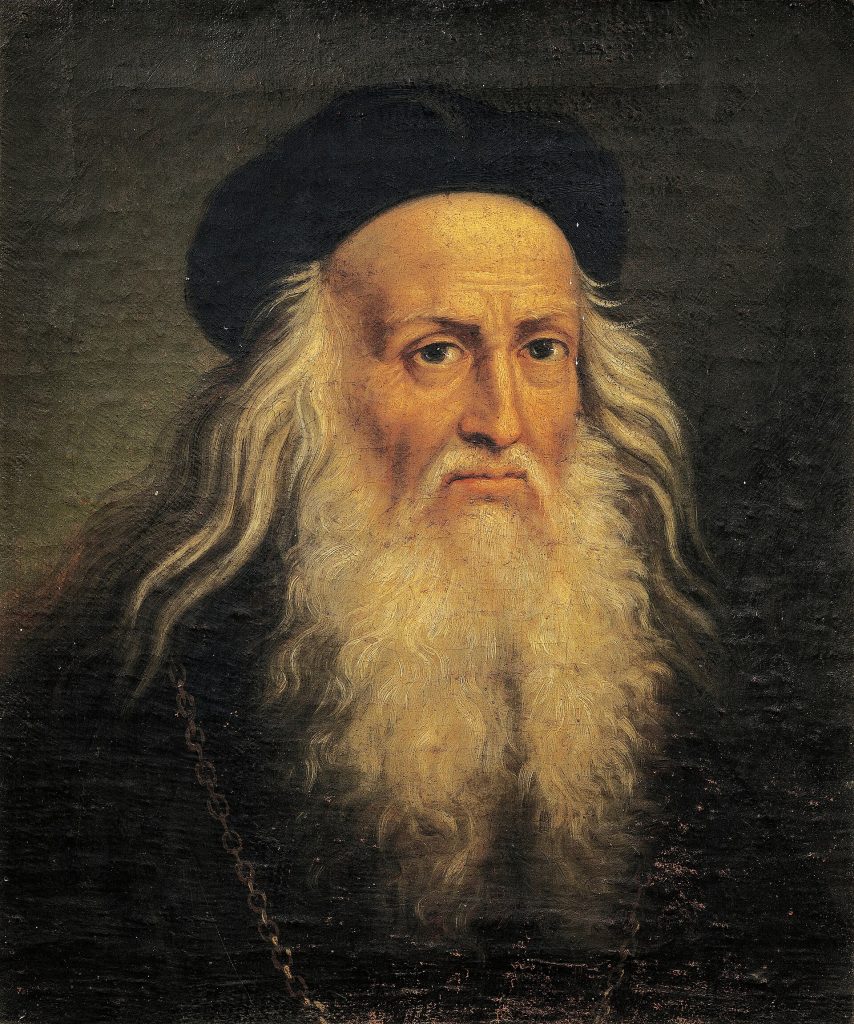
Leonardo da Vinci (1452–1519)
Leonardo da Vinci may be the ultimate example of the “Renaissance man.” He was not only a painter but also an inventor, engineer, scientist, anatomist, architect, and an endlessly curious observer of the natural world. His surviving paintings are relatively few, but several are among the most famous works ever created. Famous works include:
- Mona Lisa
- The Last Supper
- Virgin of the Rocks
- Lady with an Ermine
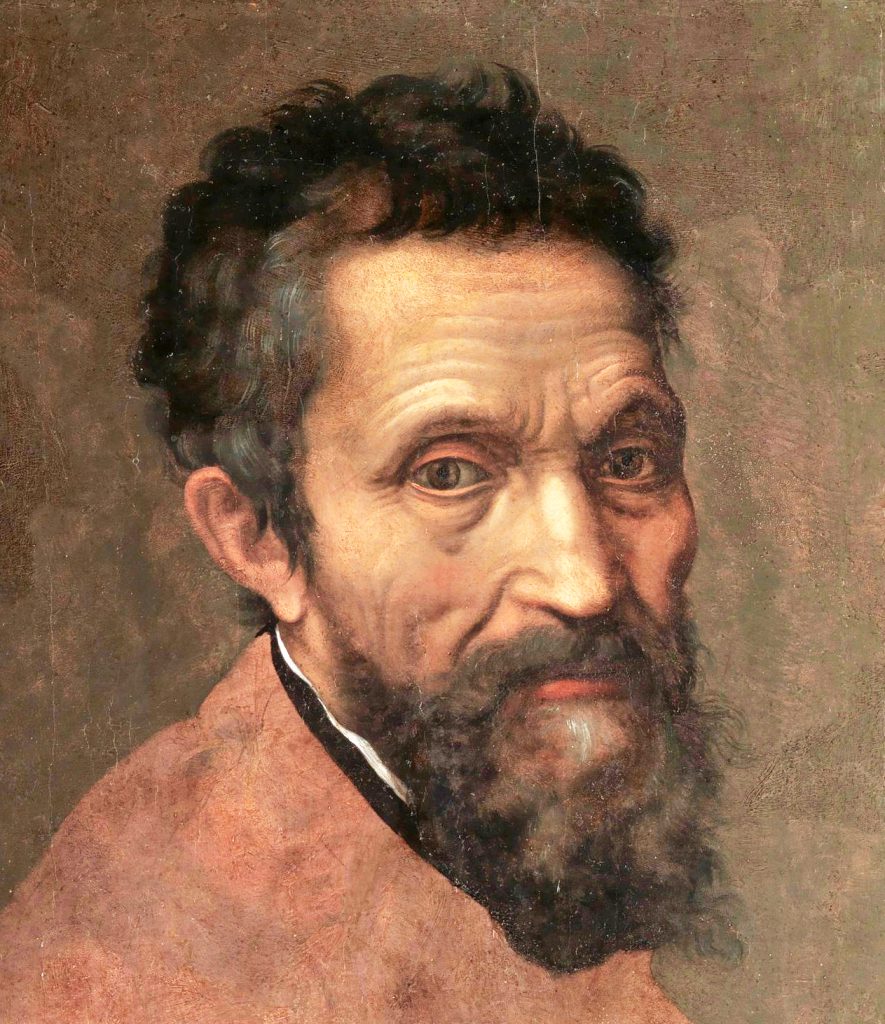
Michelangelo Buonarroti (1475–1564)
Michelangelo considered himself primarily a sculptor, but he was also an extraordinary painter. His monumental figures demonstrate his deep understanding of human anatomy. Famous works include:
- David
- Pietà
- Sistine Chapel ceiling
- The Creation of Adam
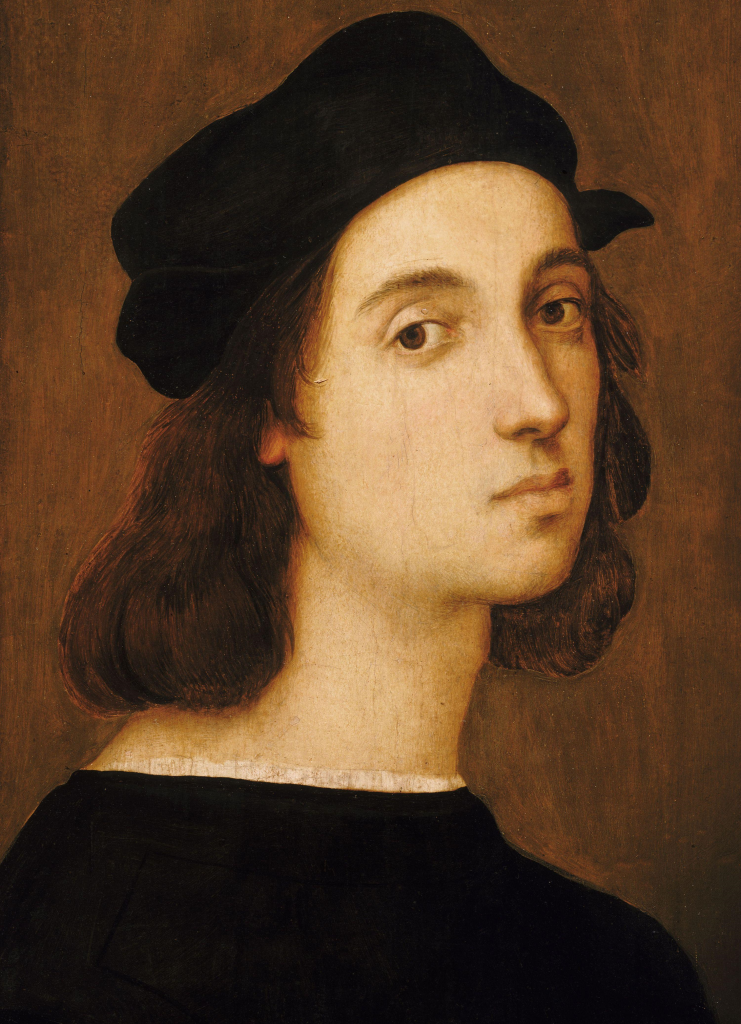
Raphael (1483–1520)
Raphael became famous for his harmonious compositions, graceful figures, and enormous Vatican frescoes. His art is often considered a perfect expression of High Renaissance balance and ideal beauty. Famous works include:
- The School of Athens
- Sistine Madonna
- Madonna of the Meadow
- The Marriage of the Virgin
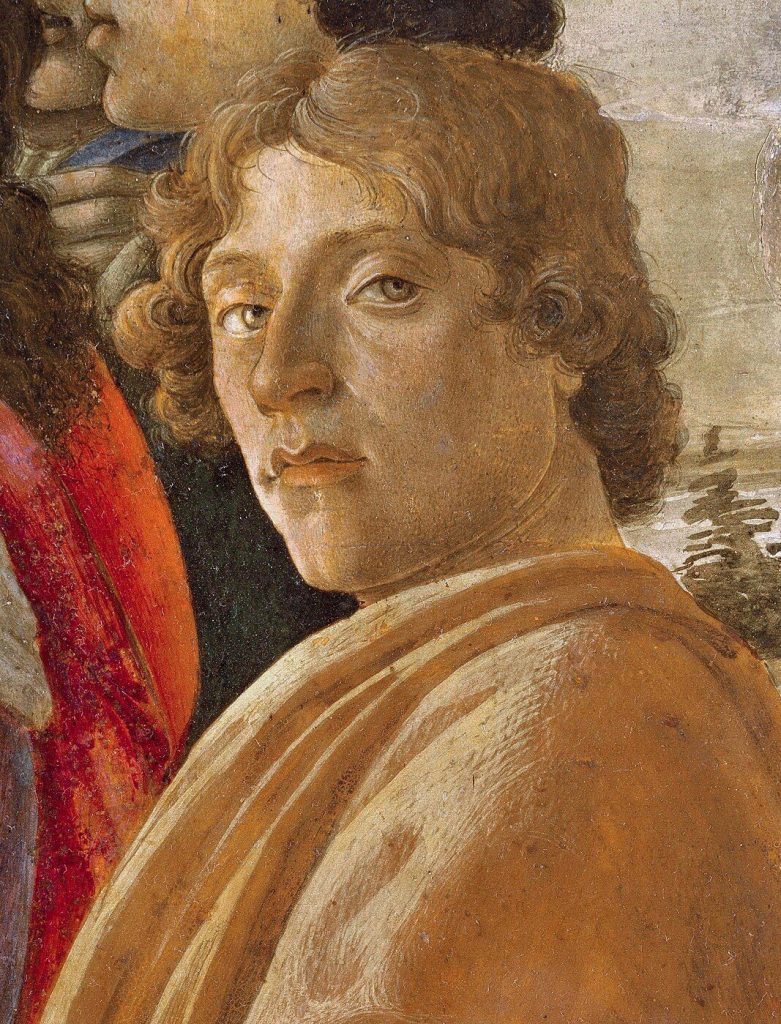
Sandro Botticelli (c. 1445–1510)
Botticelli worked in Florence and is especially remembered for his graceful figures, flowing lines, and mythological subjects. Famous works include:
- The Birth of Venus
- Primavera
- Adoration of the Magi
- Madonna of the Magnificat
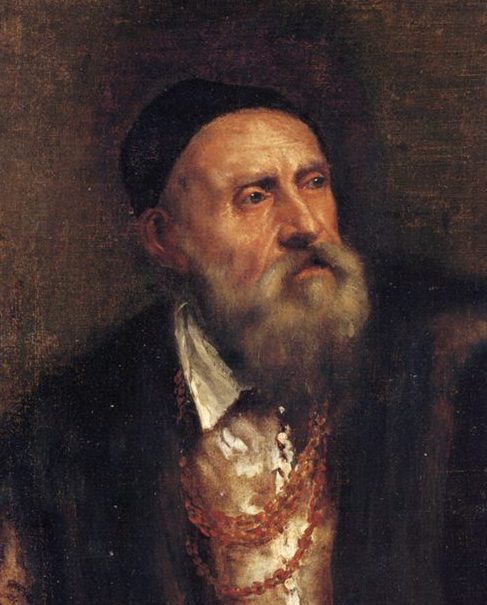
Titian (c. 1488/90–1576)
Titian was one of the greatest painters of the Venetian Renaissance. He became especially famous for his brilliant use of color and expressive brushwork. Famous works include:
- Assumption of the Virgin
- Bacchus and Ariadne
- Pesaro Madonna
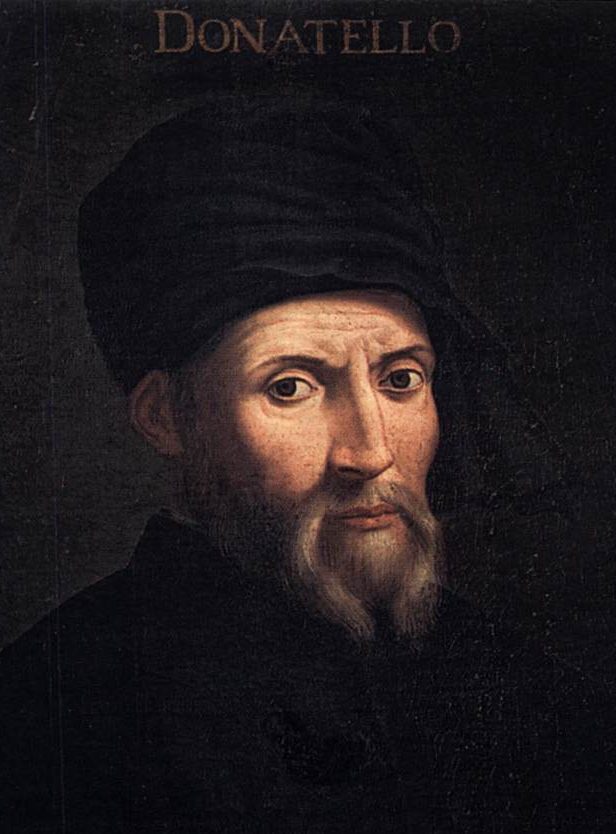
Donatello (c. 1386–1466)
Donatello was one of the most important sculptors of the Early Renaissance. His sculptures helped revive the classical tradition of freestanding, naturalistic human figures. Famous works include:
- David
- St. Mark
- St. George
- Gattamelata
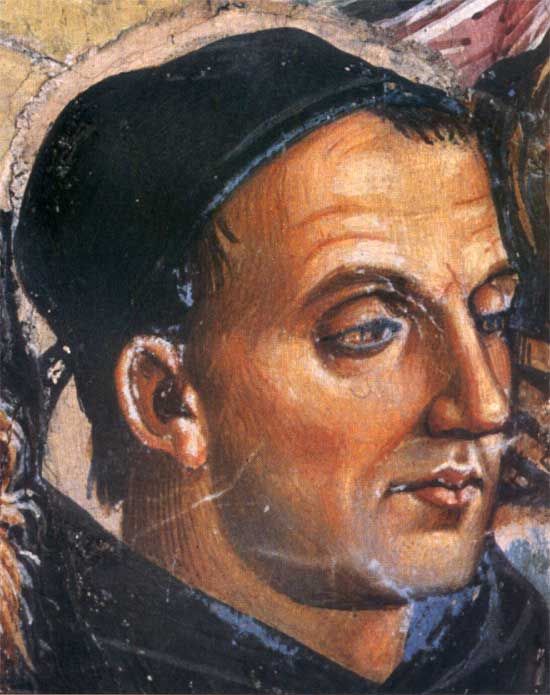
Fra Angelico (c. 1395–1455)
Fra Angelico was a Dominican friar and painter known for luminous and peaceful religious paintings. Famous works include:
- Annunciation
- The San Marco Altarpiece
- The Deposition from the Cross
- The Coronation of the Virgin
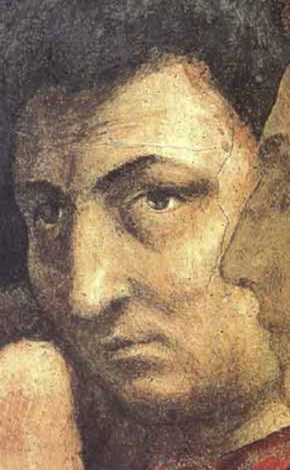
Masaccio (1401–1428)
Although Masaccio died very young, his influence was enormous. He used perspective, light, and solidly modeled human figures in ways that helped establish the visual language of Early Renaissance painting. Famous works include:
- The Holy Trinity
- The Tribute Money
- Madonna and Child with Saint Anne
- The Pisa Altarpiece
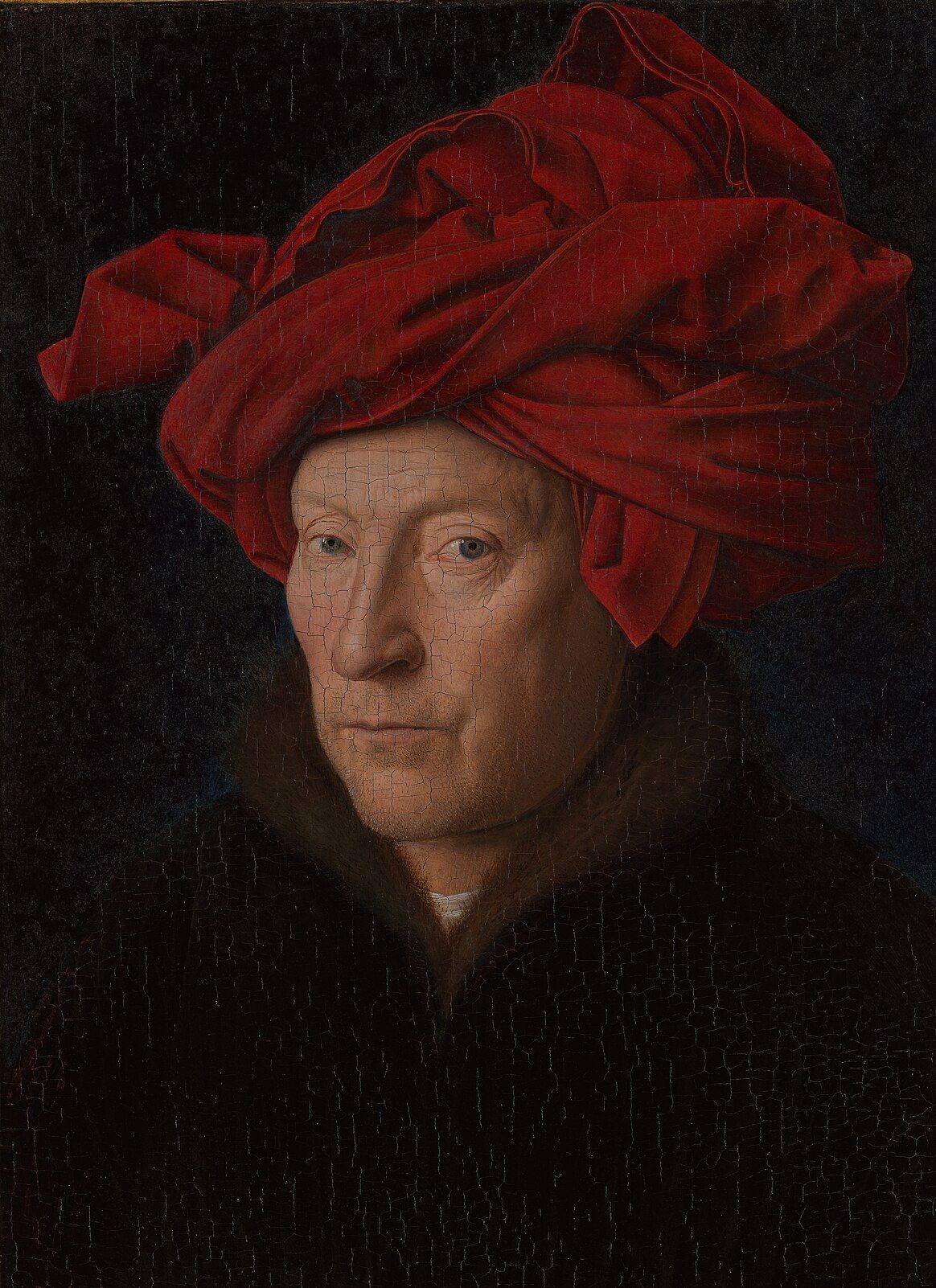
Jan van Eyck (c. 1390–1441)
The Renaissance was not limited to Italy. In Northern Europe, artists developed their own extraordinary traditions of realism and detail. Flemish painter Jan van Eyck became famous for his remarkable handling of oil paint and his meticulous depiction of surfaces, fabrics, reflections, and tiny details. Famous works include:
- Arnolfini Portrait
- Ghent Altarpiece
- The Madonna of Chancellor Rolin
- The Madonna in the Church
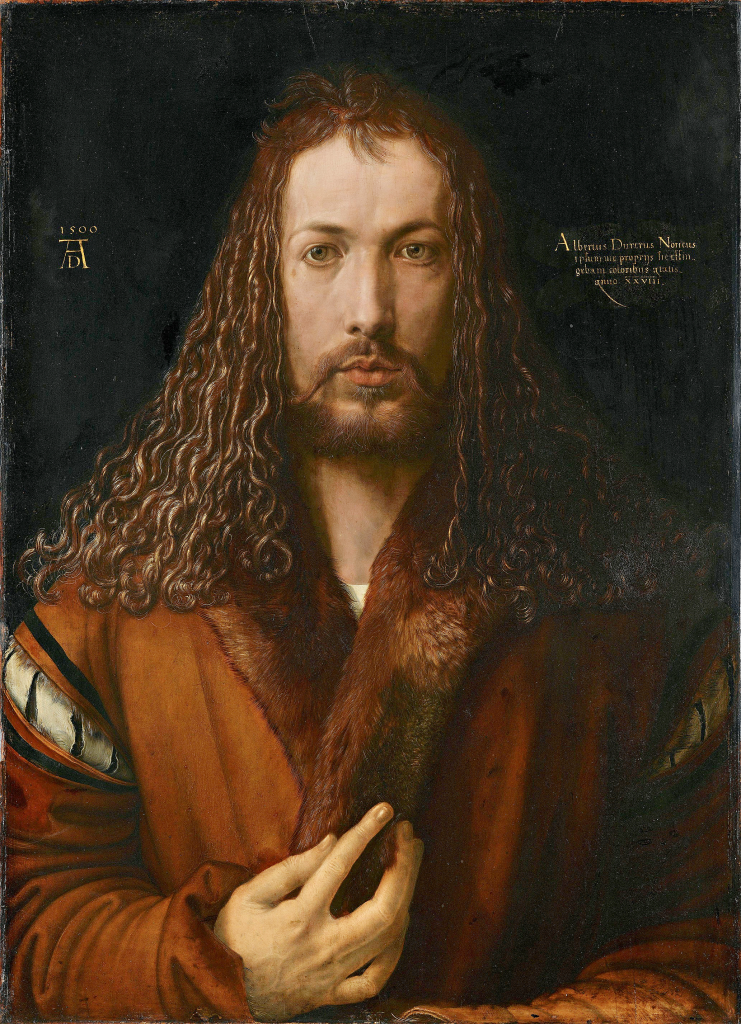
Albrecht Dürer (1471–1528)
German artist Albrecht Dürer combined Northern European attention to detail with ideas he encountered through Italian Renaissance art. He became famous for paintings, drawings, woodcuts, engravings, and self-portraits. Famous works include:
- Portrait of Maximilian I
- Feast of the Rosary
- Portrait of Dürer’s Mother Barbara, née Holper
- Young Hare
Famous Paintings from the Renaissance
You could spend years studying Renaissance masterpieces, but these works provide an excellent introduction to the period.

Mona Lisa — Leonardo da Vinci
Perhaps the most famous portrait in Western art, the Mona Lisa is an excellent painting for observing sfumato, portraiture, facial expression, light and shadow

The Last Supper — Leonardo da Vinci
Leonardo arranged Christ and the twelve disciples in an extraordinarily carefully constructed composition. Look for linear perspective, the vanishing point near Christ, gestures and facial expressions, symmetry and balance
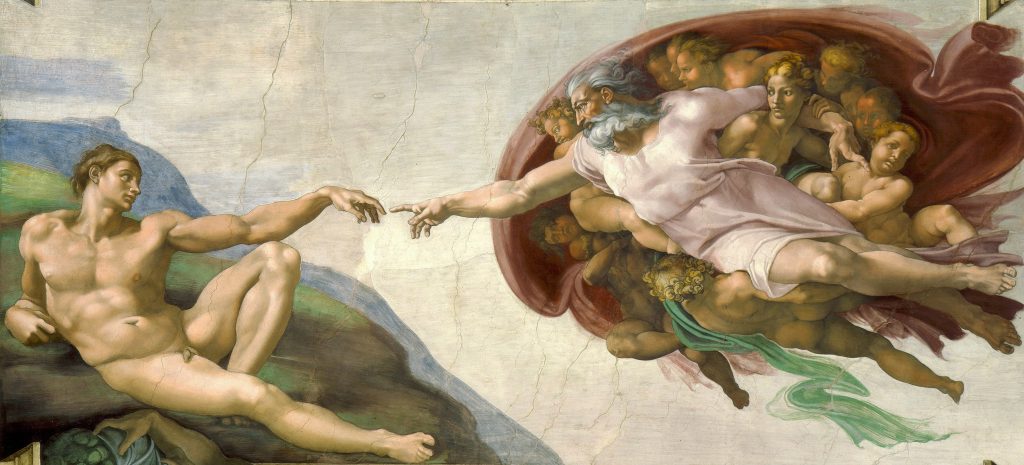
The Creation of Adam — Michelangelo
Part of Michelangelo’s Sistine Chapel ceiling, this famous scene depicts God reaching toward Adam. Notice the anatomy, gesture, and dramatic space between the two almost-touching hands.

The School of Athens — Raphael
This monumental fresco is almost a visual summary of Renaissance ideals. Classical philosophers gather within a magnificent architectural setting, while perfectly constructed perspective directs the viewer’s attention toward Plato and Aristotle.
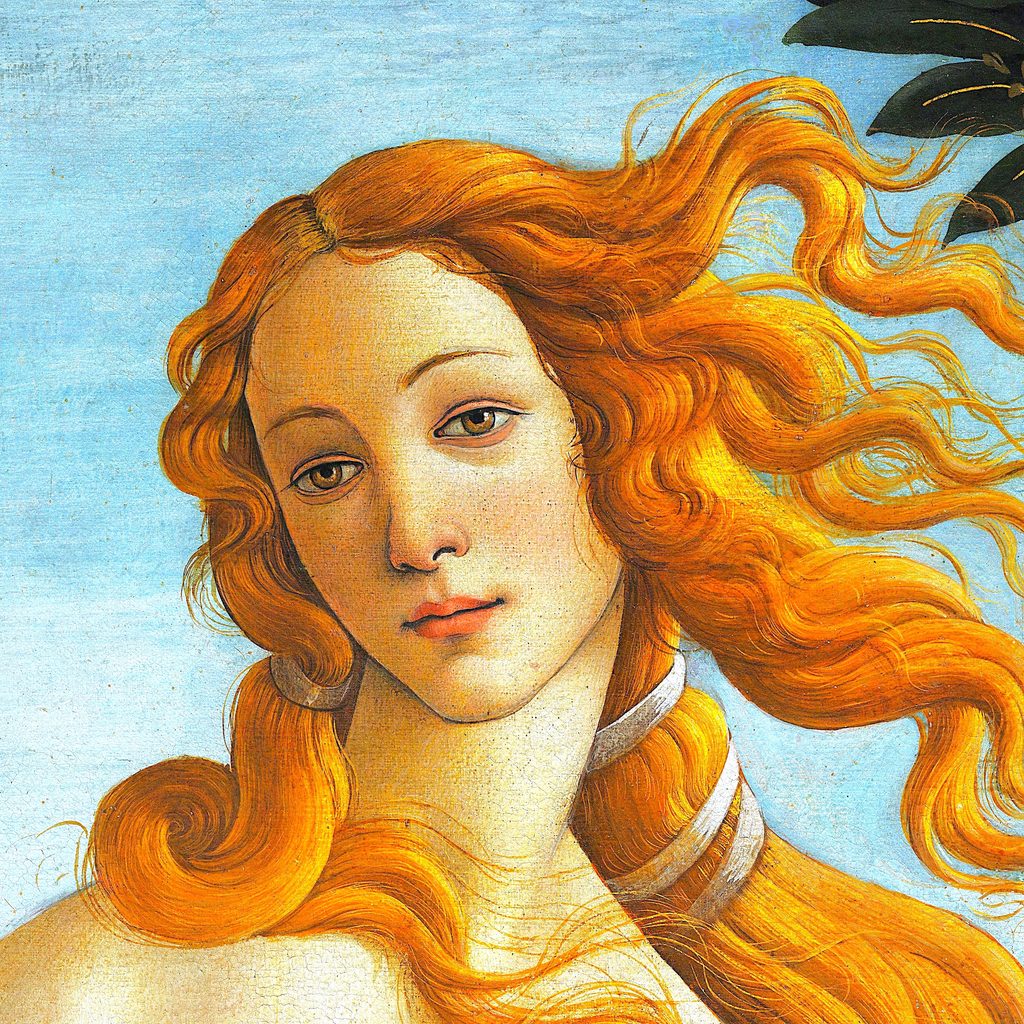
The Birth of Venus — Sandro Botticelli
Venus arrives upon the shore standing on a shell. It is one of the most recognizable mythological paintings of the Renaissance. Look especially at Botticelli’s graceful lines, flowing hair and fabric, idealized figures, and the classical subject matter.
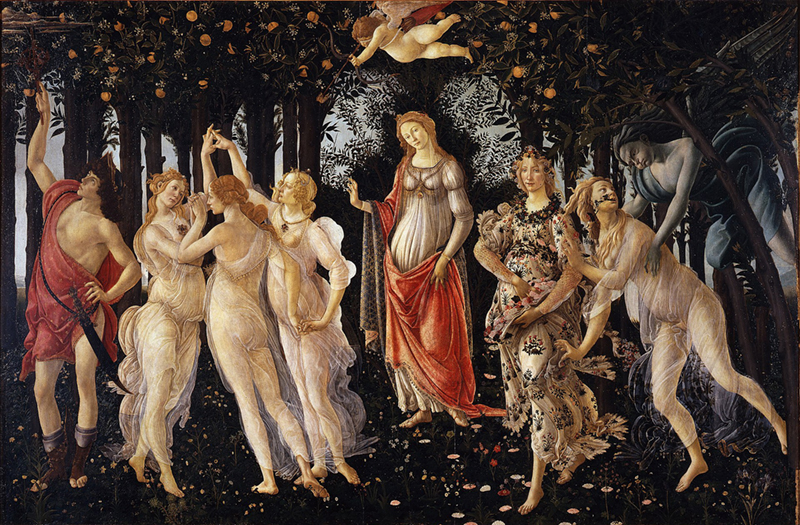
Primavera — Sandro Botticelli
Another famous mythological painting, Primavera is filled with figures from classical mythology surrounded by an elaborate garden.

Sistine Madonna — Raphael
This painting of the Virgin and Child is famous not only for its central figures, but also for the two small cherubs resting at the bottom of the composition. Those cherubs have become some of the most reproduced figures in art history.
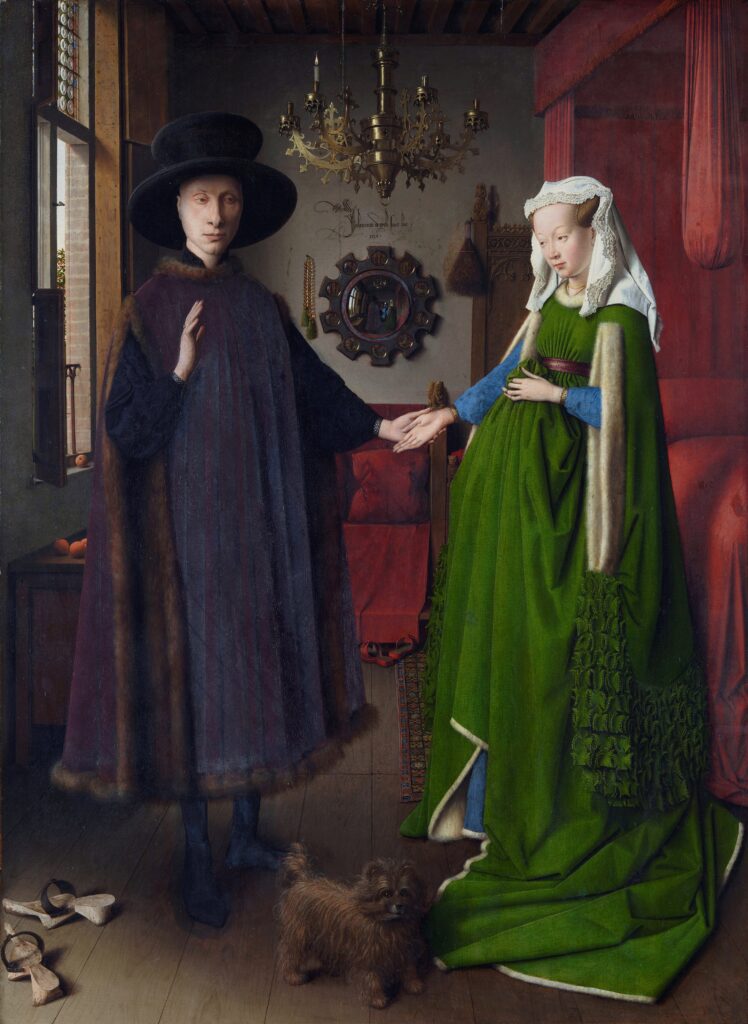
Arnolfini Portrait — Jan van Eyck
This Northern Renaissance masterpiece rewards careful looking with all the fascinating details, including:
- the convex mirror
- tiny reflected figures
- the dog
- fruit
- wooden shoes
- elaborate fabrics
- chandelier
- inscriptions
Renaissance vs. Middle Ages: What’s the Difference?
One of the easiest ways to understand Renaissance art is to compare it with art of the Middle Ages. However, it is important not to think of medieval art as simply “bad realism” that Renaissance artists finally “corrected.” Medieval artists often had different artistic goals.
A medieval religious image might emphasize spiritual meaning, symbolism, and storytelling rather than attempting to reproduce exactly what the human eye sees. Renaissance artists, however, were interested in creating realistic physical spaces and natural human figures.
Medieval art often features:
- flat spaces
- less natural proportions
- extensive religious symbolism
- gold backgrounds
- stylized figures
- decorative patterns
- limited perspective
Renaissance art, however, usually features:
- realistic proportions
- three-dimensional figures
- linear perspective
- classical Greek and Roman influences
- individualized portraits
- natural landscapes
- realistic light and shadow
Exercise: place a medieval painting of Madonna and Child beside a Renaissance painting of Madonna and Child. What changed? What did each artist appears to care about?
Renaissance Picture Study Suggestions
The Renaissance offers an abundance of wonderful paintings for picture study, art appreciation, art history and study. Choose one artist per week and become with a small collection of that artist’s masterpieces. Some options include:
Leonardo da Vinci
- Mona Lisa
- The Last Supper
- Lady with an Ermine
- Virgin of the Rocks
- The Annunciation
- Ginevra de’ Benci
Michelangelo
- The Creation of Adam
- The Creation of the Sun, Moon, and Plants
- The Deluge
- The Last Judgment
- David,
- Pietà
Raphael
- The School of Athens
- Sistine Madonna
- Madonna of the Meadow
- The Alba Madonna
- The Marriage of the Virgin
- Portrait of Baldassare Castiglione
Botticelli
- The Birth of Venus
- Primavera
- Adoration of the Magi
- Madonna of the Magnificat
- Pallas and the Centaur
- Mystical Nativity
Northern Renaissance Picture Study
Consider works by:
- Jan van Eyck
- Albrecht Dürer
- Hans Holbein the Younger
- Pieter Bruegel the Elder
How to Do a Simple Renaissance Picture Study
Choose one painting and allow your child to look at it for several minutes. Remove the painting from view, then ask the child to describe the painting from memory. Afterward, look at the artwork again and notice anything that was missed.
Some questions you could ask could be:
- Where does your eye go first?
- What do you notice about the people?
- Where is the light coming from?
- What is happening in the background?
- Can you find the vanishing point?
- What shapes do you see in the composition?
- How has the artist created depth?
- What colors appear most often?
- What emotion do you think the figures are expressing?
- What tiny detail would you like to remember?
How to Recognize Renaissance Art
Imagine that you’re walking through an art museum and encounter a painting you’ve never seen before. How would you be able to recognize if it was a Renaissance artwork? Here are some clues:
Look for realistic human figures. Do the bodies appear three-dimensional? Did the artist create realistic human proportions?
Look for perspective. Do floors, buildings, roads, or architectural lines appear to converge toward a point? If so, the artist may be using linear perspective.
Look into the background. Can you see mountains, rivers, buildings, or landscapes becoming softer and hazier in the distance? That’s atmospheric perspective.
Look at the light. Do shadows make faces, arms, and clothing appear rounded and solid?
Look for classical architecture. Columns, rounded arches, domes, pediments, and Roman-inspired buildings are strong clues.
Look at the composition. Renaissance paintings often feel carefully organized and balanced. Try tracing an imaginary triangle around the main figures.
Look at the subject. Biblical scenes, saints, portraits, classical mythology, and scenes from Greek and Roman history were all popular Renaissance subjects.
Look at the people. Even in religious paintings, Renaissance figures often seem strikingly human.
When you notice several of these characteristics together, there’s a good chance you’re looking at Renaissance, or Renaissance-influenced art.
Easy Renaissance Art Activities for Students
After studying Renaissance masterpieces, try experimenting with a few of the artistic ideas Renaissance artists explored.
Experiment with One-Point Perspective. Draw a horizon line and vanishing point, then create a road, room, or Renaissance-inspired city using lines that converge toward the vanishing point.
Draw a Portrait. Study the proportions of the human face and create a Renaissance-inspired portrait.
Experiment with Chiaroscuro. Place a simple object near a strong light source and draw it using a full range of light and dark values.
Create an Atmospheric Landscape. Paint or draw a landscape in layers. Make nearby objects darker and more detailed while making distant mountains lighter, softer, and less distinct.
Go on a Renaissance Art Detective Hunt. Choose several unfamiliar paintings and search for:
- linear perspective
- atmospheric perspective
- classical architecture
- realistic anatomy
- chiaroscuro
- balanced composition
This encourages students to apply what they’ve learned rather than simply memorize art history facts.
Frequently Asked Questions About Renaissance Art
What does “Renaissance” mean?
The word “Renaissance” means rebirth. The name refers to the renewed European interest in the art, literature, philosophy, and culture of classical Greece and Rome.
When was the Renaissance?
The Italian Renaissance developed during the 1300s and continued through the 1500s. The High Renaissance, associated especially with Leonardo da Vinci, Michelangelo, and Raphael, occurred around the late 1400s and early 1500s.
Where did the Renaissance begin?
The Renaissance developed most famously in the Italian city-states, especially Florence. Rome and Venice later became major Renaissance artistic centers as well.
Who were the most famous Renaissance artists?
Some of the most famous Renaissance artists include Leonardo da Vinci, Michelangelo, Raphael, Sandro Botticelli, Titian, Donatello, Fra Angelico, Masaccio, Jan van Eyck, and Albrecht Dürer.
Who were the three great artists of the High Renaissance?
Leonardo da Vinci, Michelangelo, and Raphael are traditionally considered the three great masters of the High Renaissance.
What are the main characteristics of Renaissance art?
Important characteristics include realism, linear perspective, atmospheric perspective, accurate human anatomy, chiaroscuro, balanced compositions, classical influences, natural landscapes, and greater interest in individual personality and emotion.
What is the most famous Renaissance painting?
Leonardo da Vinci’s Mona Lisa is probably the most famous Renaissance painting and arguably the most famous painting in the world.
Other iconic Renaissance works include The Last Supper, The School of Athens, The Birth of Venus, and Michelangelo’s Sistine Chapel frescoes.
How was Renaissance art different from medieval art?
Medieval art frequently emphasized symbolism, spiritual meaning, decorative pattern, and religious storytelling. Renaissance artists increasingly explored naturalistic human proportions, perspective, anatomy, realistic space, classical influences, and careful observation of the physical world.
This does not mean Renaissance art was “better” than medieval art, rather the two periods often had different artistic priorities.
Why is perspective important in Renaissance art?
Linear perspective allowed artists to create a convincing illusion of three-dimensional space on a two-dimensional surface. It became one of the most recognizable innovations of Renaissance painting.
Was Renaissance art religious?
Much of it was. Churches were among the most important patrons of art, and artists created countless images depicting Christ, Mary, saints, and biblical events. At the same time, Renaissance artists also created portraits and works inspired by classical mythology and ancient history.
What is the difference between the Italian Renaissance and Northern Renaissance?
The Italian Renaissance was strongly influenced by classical Greek and Roman art, architecture, anatomy, proportion, and perspective. Northern Renaissance artists were particularly famous for extremely detailed surfaces, rich symbolism, portraiture, landscapes, and sophisticated use of oil paint. There was considerable exchange between Northern and Italian artists, however, so these were not completely separate movements.
What Renaissance artists are best for children to study?
Leonardo da Vinci, Raphael, Botticelli, Michelangelo, Dürer, and Jan van Eyck all offer excellent possibilities. For younger children, choose visually interesting works and concentrate primarily on observation rather than dates and terminology.
Explore the Renaissance Through Art
The Renaissance is one of the richest periods to explore with children because its masterpieces invite us to slow down and look. Look at the expression on a face, a distant vanishing point, the extremely detailed textures and fabric. The more students encounter great art, the more they begin to recognize these things for themselves.
To explore more Renaissance art, read these books!
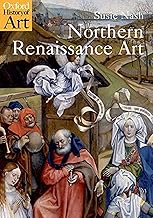
The Art of the Renaissance: A Captivating Guide to the Masterpieces, Artists, and Innovations That Defined a Cultural Revolution Renaissance Art: A Beginner’s GuideMichelangelo (Basic Art)Raphael (Basic Art)Botticelli (Basic Art)What Great Paintings Say. Italian Renaissance (Basic Art)Making Renaissance Art (Renaissance Art Reconsidered)The Oxford Illustrated History of the RenaissanceNorthern Renaissance Art (Oxford History of Art)The Renaissance Artists: With History Projects for Kids (The Renaissance for Kids)What Was the Renaissance?Who Was Michelangelo?