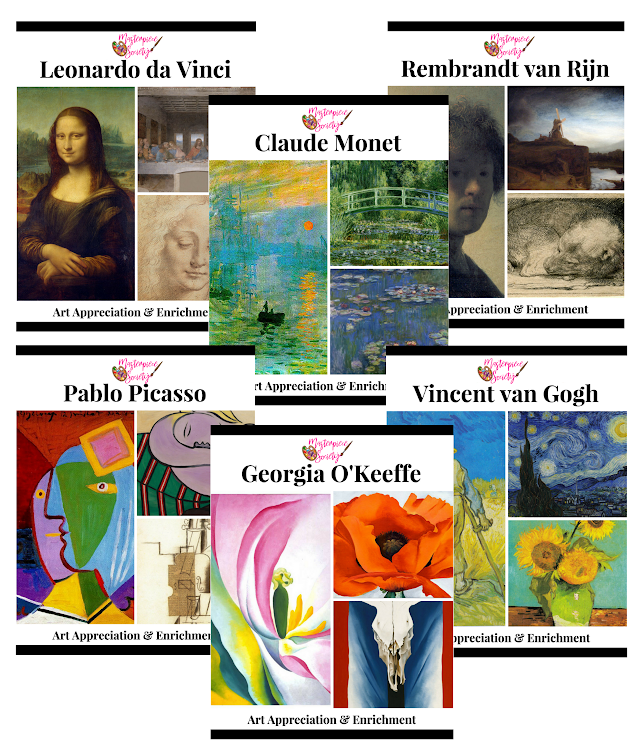
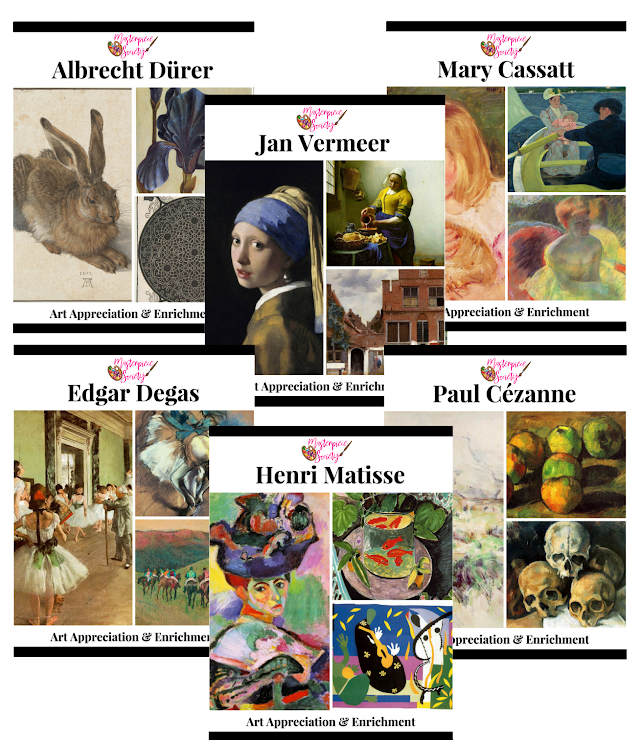
Want to teach your kids more about famous artists? Like the father of modern art, Paul Cézanne? We can help! Check out more information on Paul Cézanne in this free homeschool artist study!
“A work of art which did not begin in emotion is not art.” ~Paul Cézanne
Paul Cézanne (pronunciation) was born on January 19, 1839, into a wealthy family in Aix-en-Provence, in the south of France. His father, a banker, wanted his son to follow in his footsteps, but Paul took after his mother who was sentimental and idealistic. When he was ten years old, he became friends with two boys, Émile Zola, and another boy. The friends were called “the three inseparable” because they spent so much time together. When they weren’t swimming or playing, they were dreaming about their future. Émile wanted to become a famous writer, while Paul dreamed of becoming an artist.
Check out some of John Singer Sargent’s most famous paintings

The Beginning of Rejection
Cézanne began formal drawing lessons when he was eighteen, however, out of respect for his father, he began attending law school a year later. But after hearing from his friend, Émile, who was following his dream of becoming a writer in Paris, Cézanne decided to leave law school after only two years and move to Paris to pursue his own dream. While there, he applied to the art school twice but wasn’t accepted. Instead, he spent time at the Louvre, copying the masterpieces of the great artists. He also submitted some of his work to the Salon, the annual art exhibition of the Academy of Arts in Paris, but his submissions were refused.
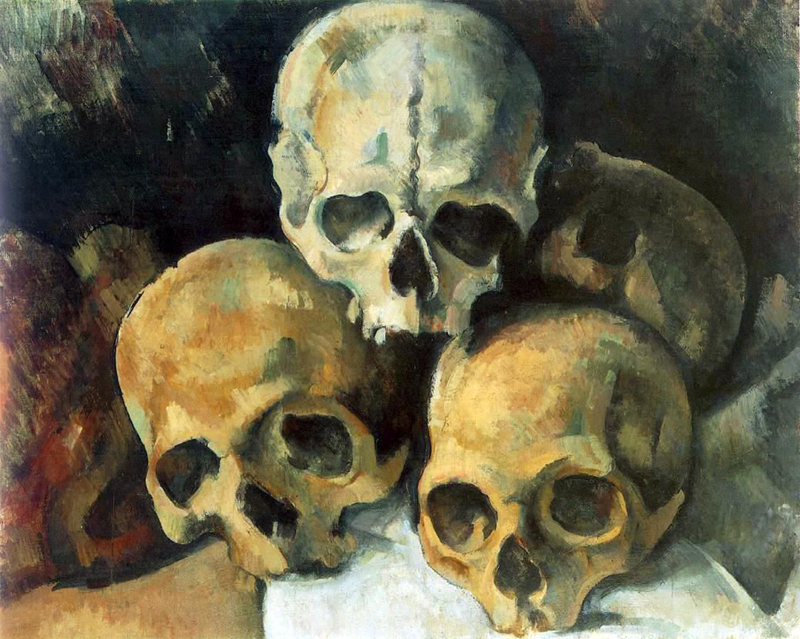
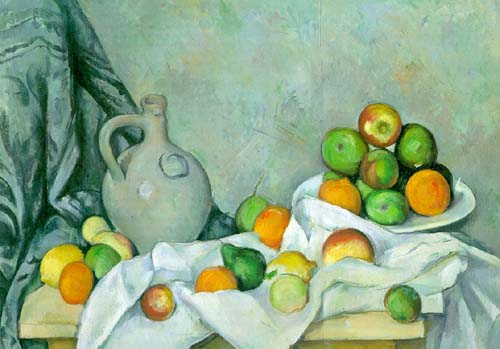
However, he met artist Camille Pissarro, who took Cézanne under his wing and mentored him. Through Pissarro, he met other artists, Claude Monet, Pierre-Auguste Renoir, and Edgar Degas. He showed his work in the first exhibition of the Impressionists with these and other artists and became associated with the movement known as Impressionism. But he was deeply hurt by all the criticism he and the rest of the artists received after the exhibition. Cézanne struggled to find his place in the world of art and soon became dissatisfied with the lack of order and structure in Impressionism painting. He felt the need to experiment with his own ideas and concepts, so he left Paris and spent the next ten years in Aix, developing his own style and theory of art. He wanted to create things as he saw them in nature by reconstructing them onto canvas in the simplest colors and forms. He chose to “treat nature by the cylinder, the sphere, [and] the cone.”
Paul Cézanne Marriage
Paul Cézanne married his model, Hortense, but because of her low social status, he kept her and their son a secret from his father. Eventually, his father found out, but rather than cutting him off without any money, he chose to support Paul’s art career and his family. He would later inherit a large sum of money from his father which relieved him of all his financial troubles.
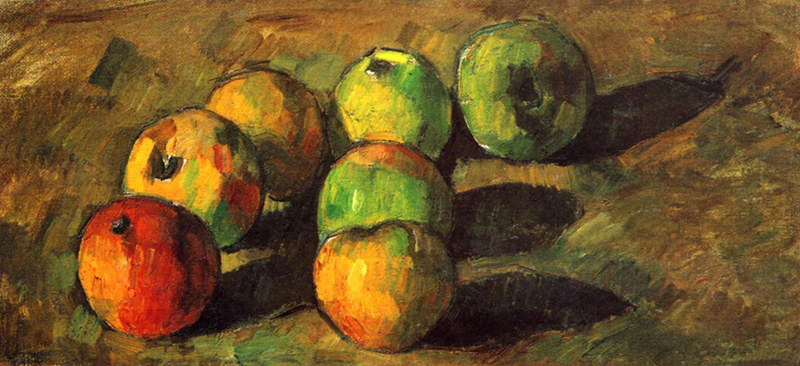
Over the years, Cézanne received much criticism: One art critic described him as “a sort of idiot who paints in the throes of delirium tremens,” and another called his work “the cult of ugliness.” Even his lifelong friend, Émile Zola (who became a famous novelist) used Cézanne as the basis of an unsuccessful and tragic artist in one of his novels, which hurt him a great deal and effectively ended their friendship. In 1895, he held his first solo exhibition in Paris which was a success, but Paul decided to continue working in isolation in his hometown of Aix. He focused on painting still life, landscapes, and portraits.
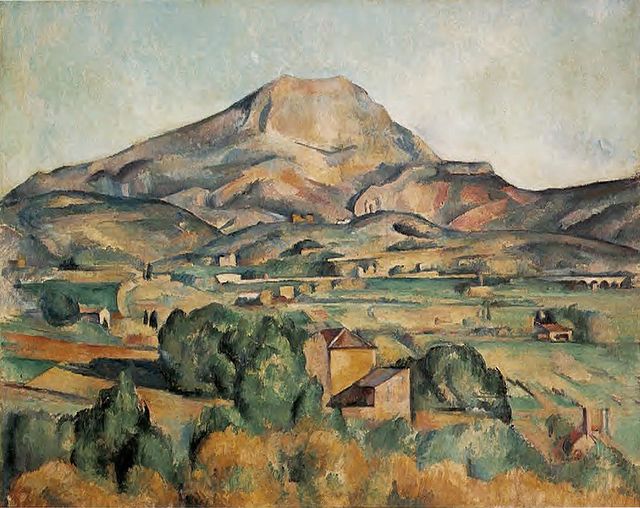
Paul Cézanne Death
In the fall of 1906, Cézanne was painting out in a field when a storm suddenly arose. He tried to get home, but on his way, he collapsed and had to be taken home by a passerby. He died a few days later of pneumonia on October 22, 1906, at the age of 67. Paul Cézanne experienced self-doubt and struggled with rejection throughout his career, but he persisted in his work and created a legacy that inspired a new generation of artists.
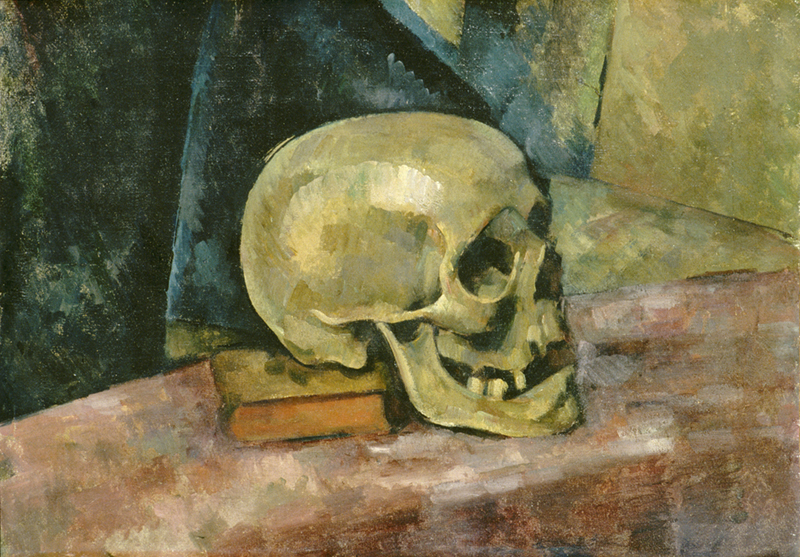
Today, Paul Cézanne is considered the most prominent artist of Post-Impressionism, bridging the gap between Impressionism and modern art. His work would particularly inspire Cubism. Pablo Picasso said, “Cézanne was my one and only master.” Both he and Henri Matisse called Cézanne “the father of us all.” We hope you enjoyed this Paul Cézanne biography. Check out more resources on this master artist below.
Books recommended for further study…
Cezanne and the Apple Boy (Anholt’s Artists) Paul Cezanne (Getting to Know the World’s Greatest Artists (Paperback))Cezanne: His life and works in 500 images: An illustrated exploration of the artist, his life and context, with a gallery of 300 of his finest paintingsCézanne Portraits



From the Masterpiece Society…

Cezanne Art Appreciation StudyBuy NowPaul Cezanne Art LessonsBuy NowCezanne Spotlight PacketBuy Now


Cezanne Virtual Tours
This video is about Mont Sainte-Victoire from Smarthistory:
Check out Still Life with Apples from Smarthistory:
The Large Bathers from Smarthistory:
This video is about Bathers from Smarthistory:
Take a look of Still Life with Plaster Cupid from Smarthistory:
For more project ideas, check out these Paul Cézanne-inspired art projects here:
One Day Elementary Art Lesson | First Grade Still Life Painting, Cezanne by Artsy Blevs
How to Paint Paul Cezanne- Inspired Apples by Party In The Art Room
Paul Cezanne coloring pages by Super Coloring