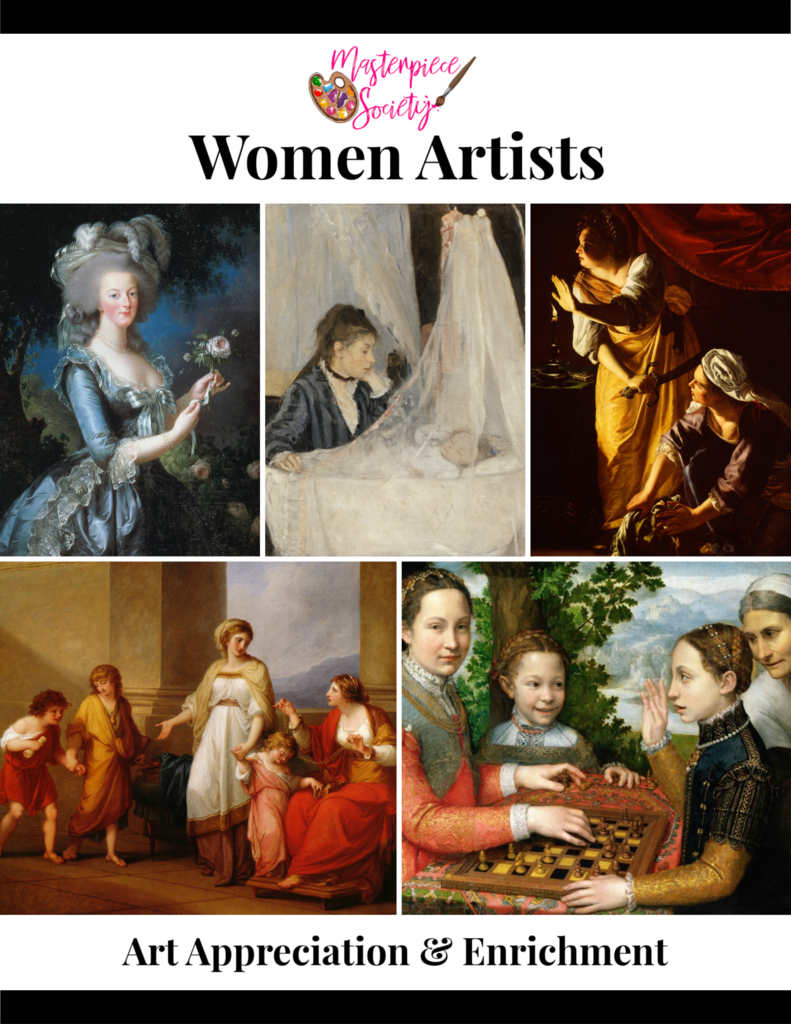
Learn more about this amazing artist with this free homeschool artist study.
“I sent it (Sofonisba’s drawing) to you with this one (Michelangelo’s Cleopatra), and I believe that it may stand comparison with many other drawings, for it is not simply beautiful, but also exhibits considerable invention.” ~Tomasso Cavalieri (a friend of Michelangelo)
Sofonisba Anguissola (pronunciation) was born in Cremona, Italy in 1532. She was the oldest of seven children. Her parents, Amilcare Anguissola and Bianca Ponzone, were both of noble background.
Sofonisba’s father cared very much about his children’s education, and so always made sure they had the right resources and the best teachers available. He especially encouraged them to pursue their natural talents and cultivate their knowledge of the arts. As such, Sofonisba, along with four of her sisters, took up painting.
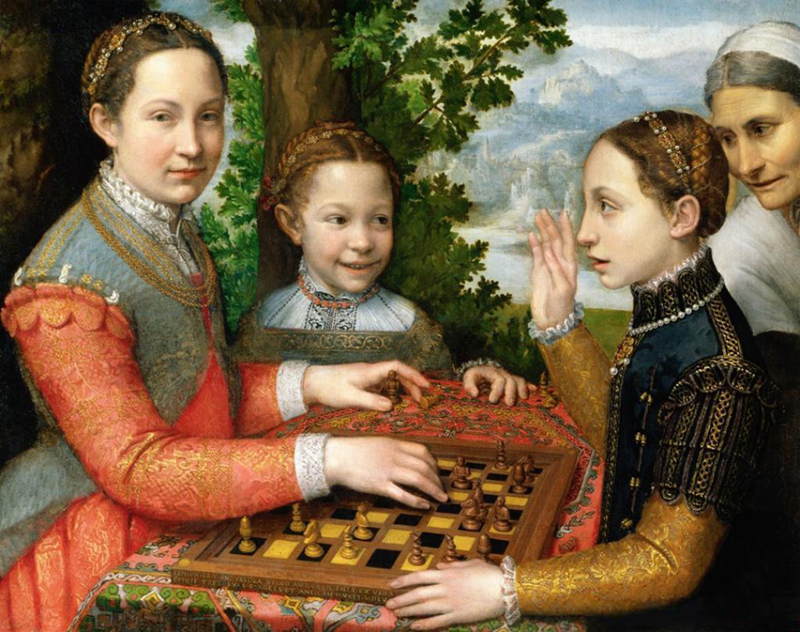
In 1545, at the age of fourteen, Sofonisba and one of her sisters became apprenticed to Bernardino Campi (pronunciation), who was a well-known and respected artist at the time.
When she was twenty-two, Sofonisba traveled to Rome in order to study under the masters, and it was there that she was introduced to Michelangelo. The master artist was impressed with Sofonisba’s work, and the two began to correspond through letters, during which Michelangelo critiqued her work.
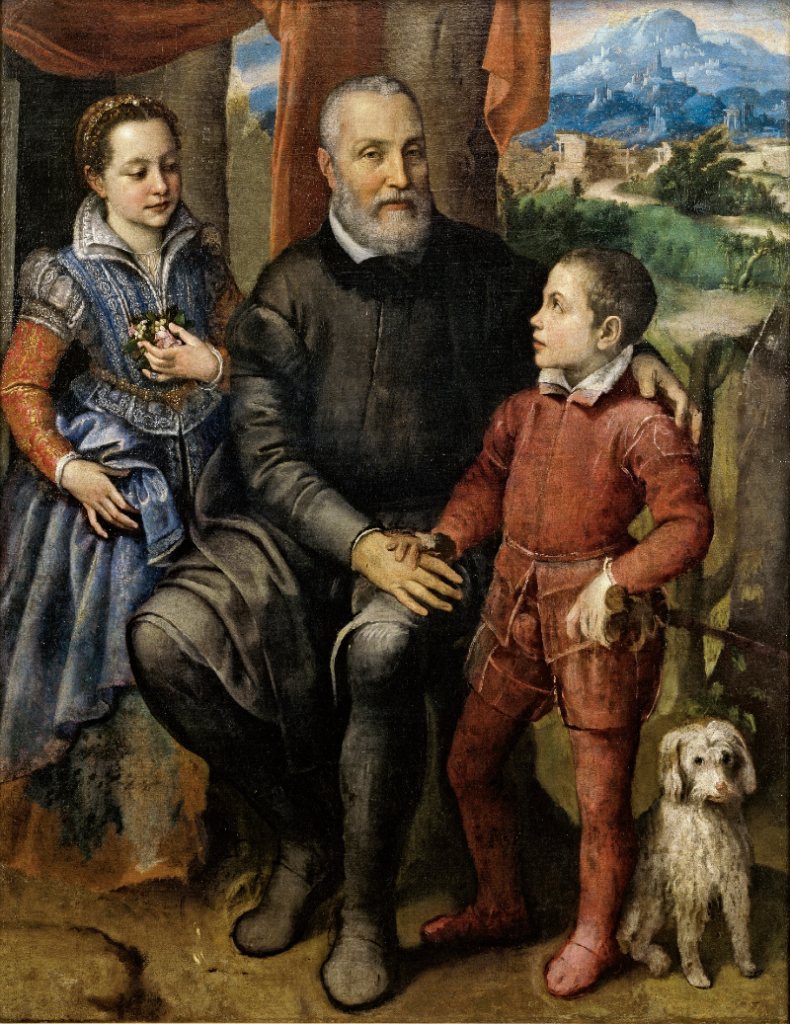
On one occasion, Sofonisba showed Michelangelo a drawing she had created of a smiling girl. However, Michelangelo felt the subject was too easy and so challenged her to draw a crying boy instead. Sofonisba responded by drawing Child Bitten by A Lobster, which was a portrait of her brother and one of her sisters. Recognizing the young woman’s talent, Michelangelo gave Sofonisba his own art journals, allowing her to copy his pieces and draw them in her own style.
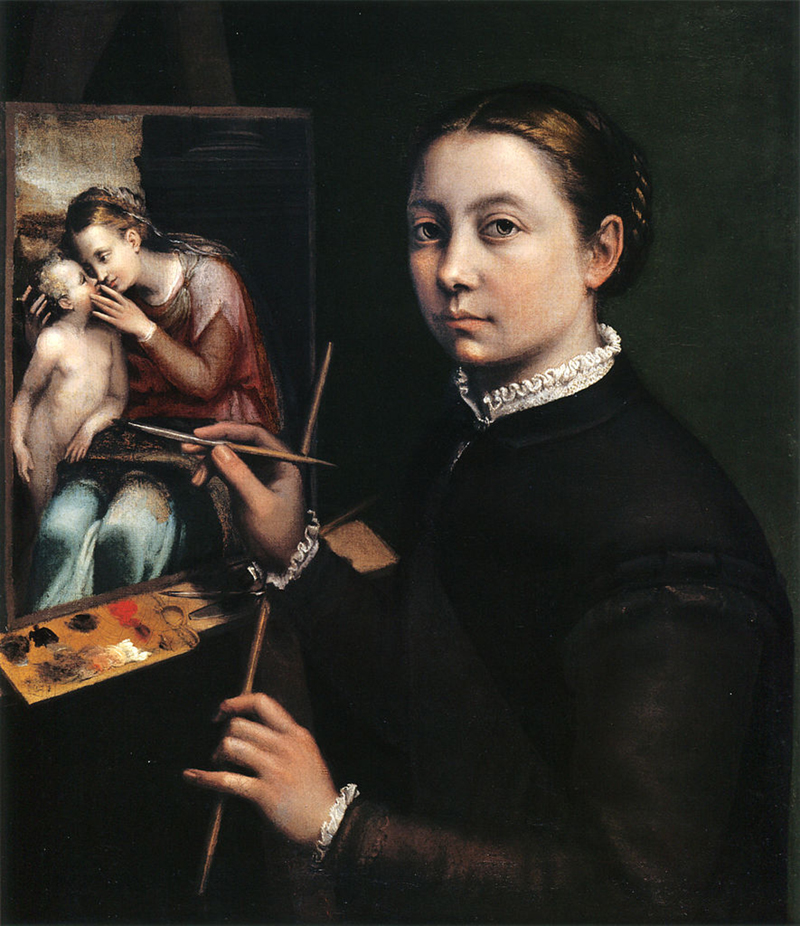
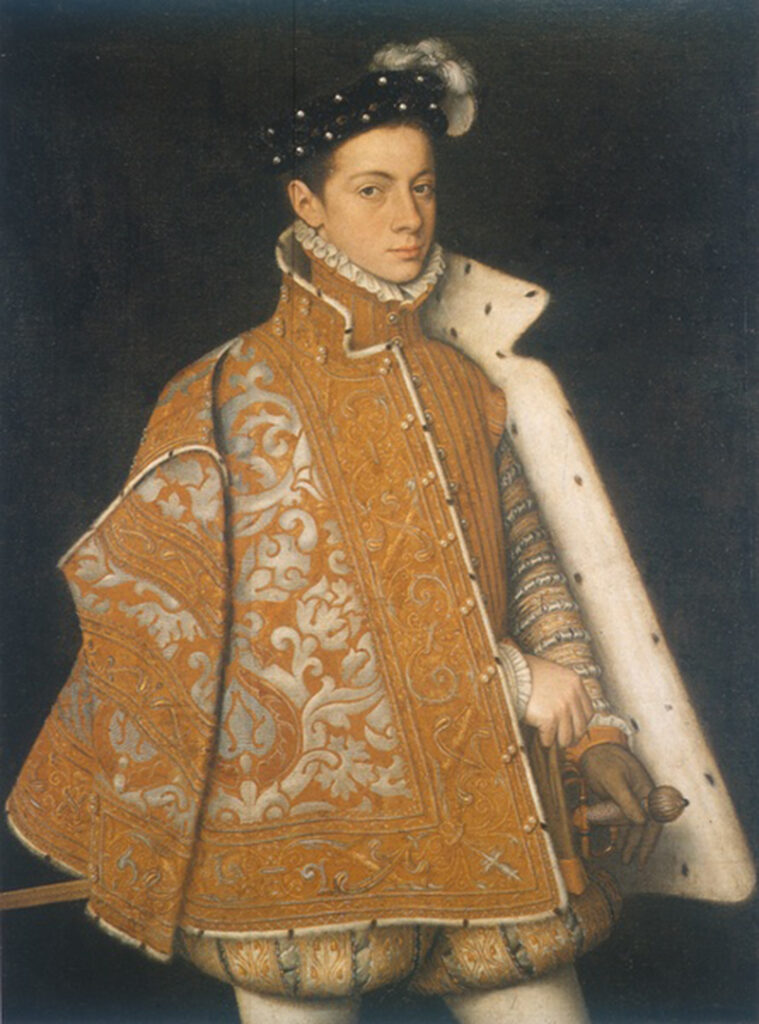
Sofonisba continued to travel for the next few years, establishing her career as a professional painter. In that time, her popularity only continued to grow until she was well-known all throughout Europe. In 1558, she visited Milan to paint the Duke of Alba. The Duke was so impressed with her work that he recommended her to the King of Spain, Philip II.
The following year, the king invited Sofonisba to join the Spanish court as a lady-in-waiting to Queen Elisabeth of Valois, who was fourteen at the time. Sofonisba also became Elizabeth’s art teacher, and the two of them became good friends. Sadly, the queen died in 1568.
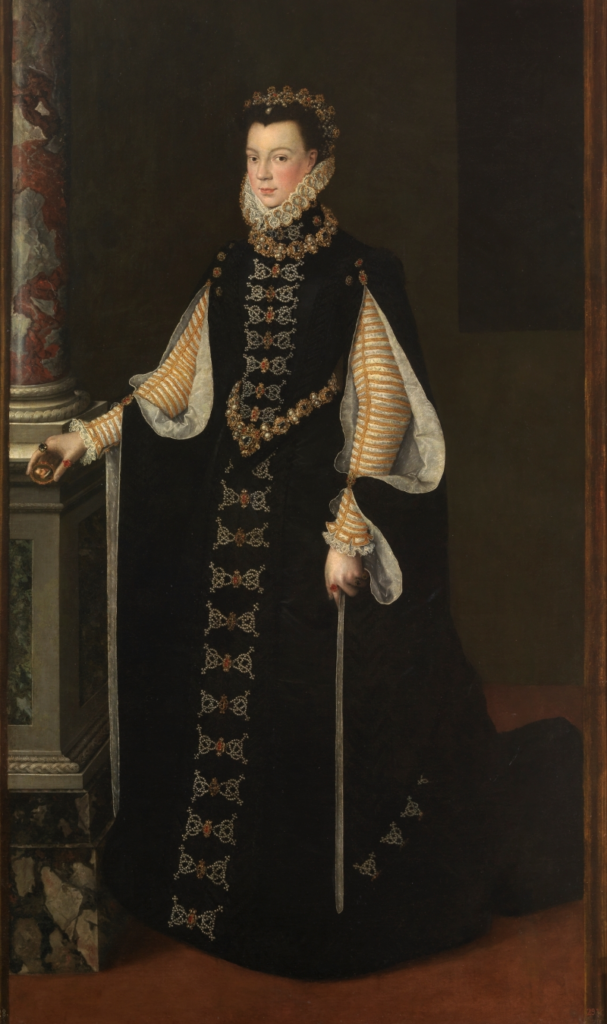
Upon the queen’s death, the king arranged a marriage for Sofonisba to a nobleman so that she could remain in the Spanish court and be free to continue her career as an artist. During this time, she continued to teach art to the two young princesses.
When her husband died in 1579, Sofonisba initially chose to stay in the Spanish court. But after two years, she decided to return to her home in Cremona to be close to her family again. Traveling by ship, she became close to and fell in love with the ship’s captain, a man named Orazio Lomellino. Despite her family’s disapproval, the two were eventually married and took up residence in Genoa.
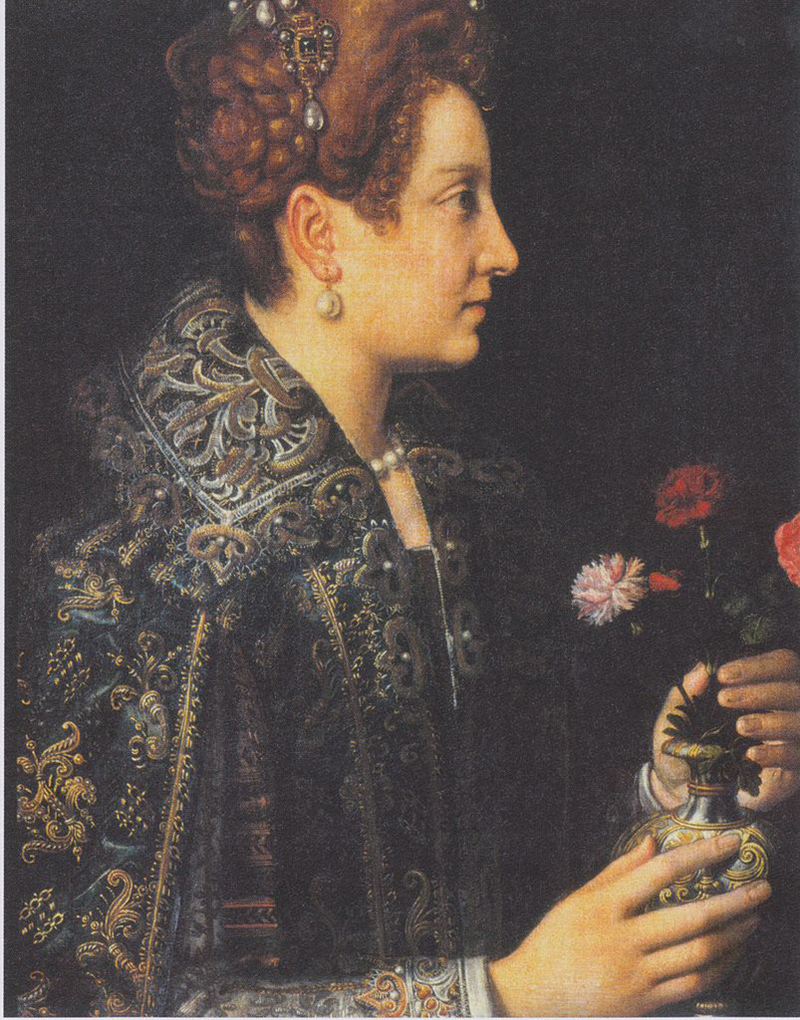
Little is known about the later years of her life, but Sofonisba continued to paint and train other young artists who were eager to imitate her work, as one did with other master artists. Even up into her nineties, she still had sharp mental clarity though her eyesight had become weak.
She died in 1625 at the age of 93, but her legacy and success as an artist paved the way for other women to be accepted as students and pursue careers in art as well. She is now considered one of the most important female artists of all time.