The Pre-Raphaelite Brotherhood was one of the most distinctive and visually recognizable art movements of the 19th century. Founded in England in 1848, the Pre-Raphaelites rejected what they saw as the dull formulas of academic painting and turned instead toward:
- vivid color
- careful observation of nature
- medieval literature
- biblical stories
- poetry
- symbolism
- intricate detail
- emotional storytelling
Their paintings often feel jewel-like, with bright, vivid colors that immediately capture your attention. Stories from Shakespeare, Arthurian legend, the Bible, and poetry were a common subject.
Some of the most famous artists associated with the Pre-Raphaelites include Dante Gabriel Rossetti, John Everett Millais, William Holman Hunt, Edward Burne-Jones, Ford Madox Brown, and John William Waterhouse.
In this guide, we’ll explore the Pre-Raphaelite Brotherhood, its historical background, the characteristics of Pre-Raphaelite art, famous Pre-Raphaelite artists and paintings, and picture study suggestions you can use with children or students.
What Was the Pre-Raphaelite Brotherhood?
The Pre-Raphaelite Brotherhood, often abbreviated PRB, was founded in London in 1848 by a small group of young artists. The three principal founders were Dante Gabriel Rossetti, John Everett Millais, and William Holman Hunt, who were later joined or supported by other artists, writers, and thinkers.
The name “Pre-Raphaelite” reflected their admiration for European art created before the time of the High Renaissance painter Raphael. They believed that art before Raphael had qualities that later painters lost through centuries of artistic convention, and they wanted to bring back what was lost.
The Pre-Raphaelites believed artists should study nature carefully and paint it in its truest form. At the same time, they were deeply interested in poetry, legend, literature, religion, and symbolism, so the result was an unusual combination of realistic detail and imaginative storytelling.
When Was the Pre-Raphaelite Movement?
The original Pre-Raphaelite Brotherhood was founded in 1848, and its most intense first phase lasted through the 1850s. That said, Pre-Raphaelite ideas continued to influence British art for the rest of the 19th century.
Early Pre-Raphaelite Brotherhood (1848–c. 1855)
Rossetti, Millais, and Hunt developed the original principles of the movement. Their paintings emphasized brilliant color, close observation of nature, and religious and literary subjects.
Later Pre-Raphaelite Development (1850s–1870s)
The original Brotherhood gradually dissolved, but its influence continued to expand. Rossetti developed a more poetic style, while artists such as Edward Burne-Jones became associated with a second generation of Pre-Raphaelite-inspired art.
Pre-Raphaelite Influence (1870s–1900)
Pre-Raphaelite ideas continued through the Aesthetic Movement, Arts and Crafts Movement, book illustration, decorative arts, and late Victorian painting. Artists such as John William Waterhouse were strongly influenced by Pre-Raphaelite themes and style, although he was not a member of the original Brotherhood.
Historical Background and Timeline of the Pre-Raphaelites
The Pre-Raphaelite movement emerged during a period of rapid industrialization and cultural change in Victorian Britain.
1848: The Pre-Raphaelite Brotherhood Is Founded
Dante Gabriel Rossetti, John Everett Millais, and William Holman Hunt founded the Brotherhood in London. All three were young artists frustrated with the conventional teaching of the Royal Academy. They sometimes signed early paintings with the mysterious initials “P.R.B.”
At first, the public did not know what those initials meant.
1849: Early Pre-Raphaelite Works Appear
The Brotherhood began exhibiting paintings that looked dramatically different from the darker, smoother academic style viewers expected. Their works used bright colors, sharp outlines, detailed natural settings, and unusual compositions.
1850: Controversy Erupts
When the meaning of “PRB” became more widely known, critics attacked the movement. Some thought the paintings looked primitive or awkward, while others objected to their highly realistic religious figures. Charles Dickens famously criticized Millais’s painting Christ in the House of His Parents.
1851: John Ruskin Defends the Pre-Raphaelites
Influential art critic John Ruskin publicly defended the young artists. Ruskin had long argued that artists should carefully study nature, and his support helped improve the movement’s reputation.
1851–1852: Millais Paints Ophelia
John Everett Millais created one of the most famous Pre-Raphaelite paintings: Ophelia from Shakespeare’s Hamlet. He painted the landscape outdoors with extraordinary botanical detail.
1853: The Original Brotherhood Begins to Dissolve
The formal Pre-Raphaelite Brotherhood did not last long, as Millais moved gradually toward a more conventional style, and Rossetti and Hunt continued developing their own artistic directions.
1850s–1860s: Rossetti Develops a New Pre-Raphaelite Style
Rossetti began to paint literary and symbolic women with rich colors, luxurious fabrics, flowers, musical instruments, and poetic symbolism. His work strongly influenced younger artists.
1860s–1890s: Burne-Jones Expands the Medieval Vision
Edward Burne-Jones developed dreamlike paintings inspired by Arthurian legends, classical mythology, medieval stories, poetry. His work became closely connected with the broader Arts and Crafts and Aesthetic movements.
Late 1800s: Pre-Raphaelite Influence Continues
Artists such as John William Waterhouse began to paint his own works in a style strongly influenced by the Pre-Raphaelites.
Characteristics of Pre-Raphaelite Art
Pre-Raphaelite paintings are often very easy to recognize once you know what to look for.
1. Brilliant Color
Color was one of the Pre-Raphaelites’ great rebellions. They rejected the dull, brownish colors favored by academic painters and embraced brilliant greens, crimsons, purples, and magentas. This made their colors look almost jewel-like. Early Pre-Raphaelite painters sometimes painted over a wet white ground, which helped colors appear particularly luminous.
2. Extraordinary Detail
Pre-Raphaelite artists painted details with astonishing precision. You can often see the finer details in individual leaves, tiny flowers, patterns in fabric, strands of hair, stones, wood grain, etc.
3. Careful Observation of Nature
The Pre-Raphaelites believed artists should study nature directly. They often painted landscapes outdoors rather than inventing them in the studio. Nature was not simply decorative background, but often carried symbolic meaning.
4. Medieval Subjects
The Pre-Raphaelites were fascinated by the Middle Ages, and so they painted knights and queens, Arthurian legends and medieval romances. Their interest in medieval art partly reflected their dissatisfaction with industrial Victorian society.
5. Literature and Poetry
Literature also played an enormous role in Pre-Raphaelite art. Artists drew inspiration from writers such as Shakespeare, Dante, Chaucer, Tennyson, and Keats. A Pre-Raphaelite painting almost functions almost like a visual poem.
6. Symbolism
Objects often carry meaning. Flowers especially have significant meaning and symbolizing, from love to death, purity, memory, and faithfulness, and beyond. Even the carefully-placed objects can contribute to the subjects.
7. Religious Subjects
The Pre-Raphaelites painted a lot of biblical subjects, but often portrayed sacred stories in realistic settings. Instead of idealized saints, figures were made to look like ordinary people. This kind of realism sometimes shocked Victorian audiences.
8. Emotional Storytelling
Many Pre-Raphaelite paintings show a moment of emotional tension, inviting the view to share in the emotion of the story.
9. Elaborate Textiles and Clothing
Fabric is everywhere in Pre-Raphaelite painting. Artists loved patterned dresses, embroidered clothing, medieval costumes, and the like. These textures allowed them to display both color and detail.
10. Beautiful, Distinctive Figures
Later Pre-Raphaelite paintings became famous for idealized figures, especially women with long flowing hair and strong profiles. Rossetti’s paintings were particularly influential in creating this recognizable Pre-Raphaelite look.
Pre-Raphaelite Architecture and Decorative Arts
The Pre-Raphaelites were primarily painters and poets, but their ideas helped influence a much broader movement in British design. One especially important connection was the Arts and Crafts Movement.
Artists and designers continued to reject cheap, mass-produced decoration and instead turned toward craftsmanship, natural materials, handwork, and beautiful everyday objects.
William Morris was closely connected with the Pre-Raphaelite circle and worked with artists such as Rossetti and Burne-Jones. His designs often featured patterns with flowers, vines, birds, leaves, and other repetitive natural forms.
The connection between Pre-Raphaelite painting and Arts and Crafts design makes this period particularly interesting for students because art moved beyond framed paintings and into the decoration of everyday life.
Famous Artists of the Pre-Raphaelite Movement
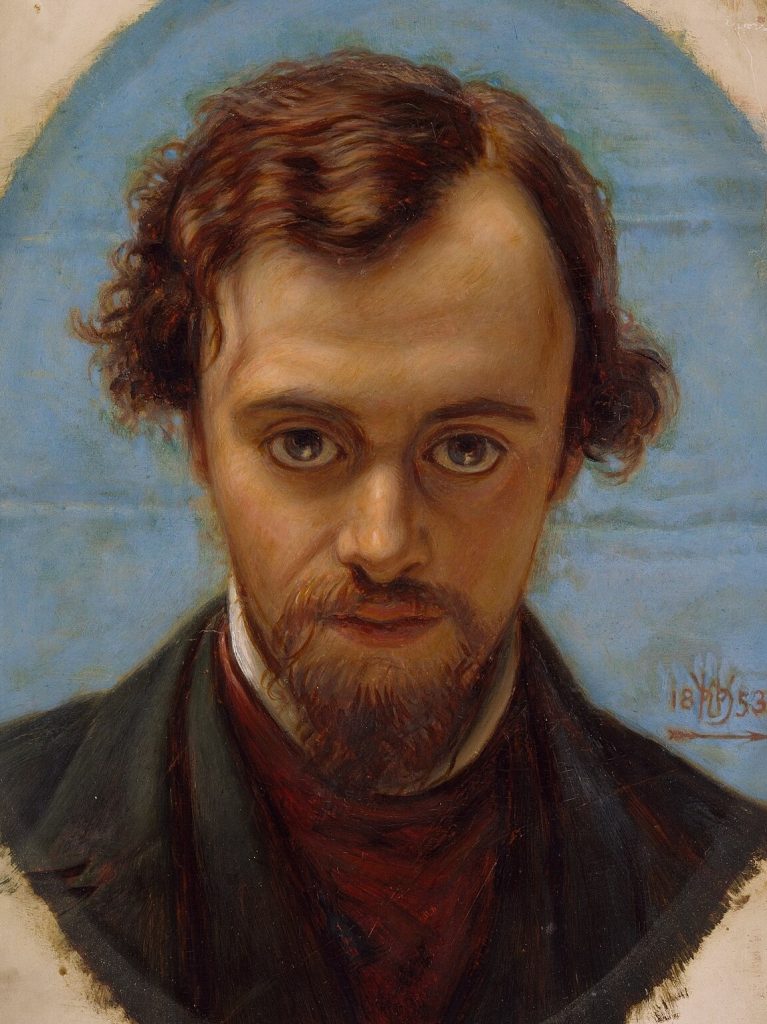
Dante Gabriel Rossetti (1828–1882)
Dante Gabriel Rossetti was a painter, poet, and one of the founders of the Pre-Raphaelite Brotherhood. His early paintings often focused on religious and medieval subjects, while his later art became famous for richly colored portraits and symbolic images of women.
Famous works include:
- The Day Dream
- Beata Beatrix
- Proserpine
- Lady Lilith
- A Vision of Fiammetta
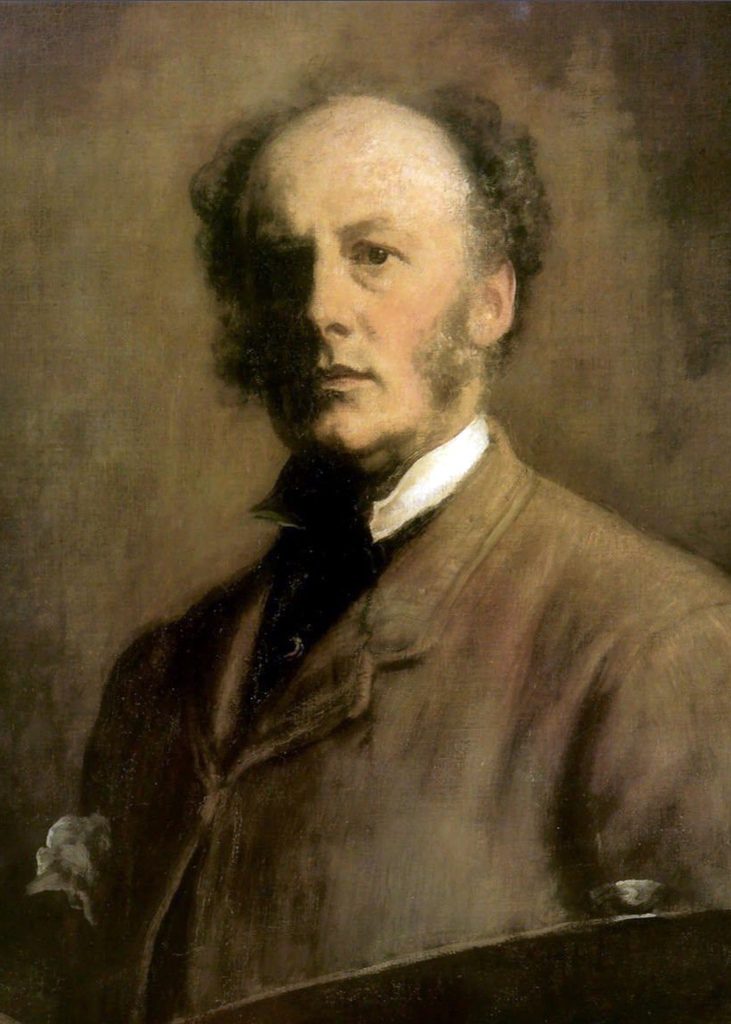
John Everett Millais (1829–1896)
Millais was an extraordinary technical painter and another one of the original founders of the Brotherhood. His early Pre-Raphaelite paintings are known for brilliant color and astonishing natural detail. He later moved away from the original Pre-Raphaelite style and became one of Britain’s most successful Victorian painters.
Famous works include:
- Ophelia
- Christ in the House of His Parents
- Mariana
- The Blind Girl
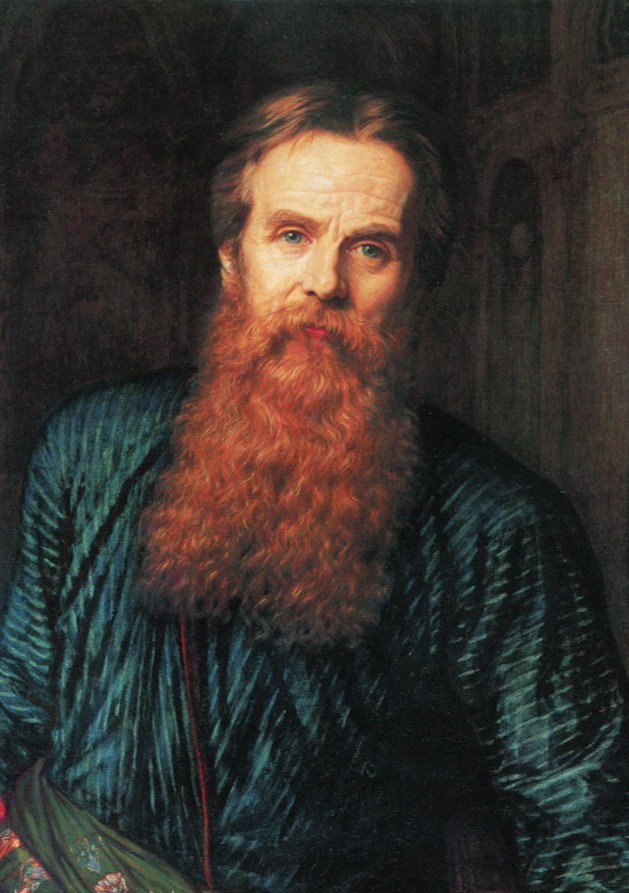
William Holman Hunt (1827–1910)
William Holman Hunt remained more committed to the original principles of the Pre-Raphaelite Brotherhood than either Rossetti or Millais. He was especially interested in religious symbolism, and his paintings often contained carefully planned symbolic details.
Famous works include:
- The Light of the World
- The Awakening Conscience
- The Hireling Shepherd
- The Scapegoat
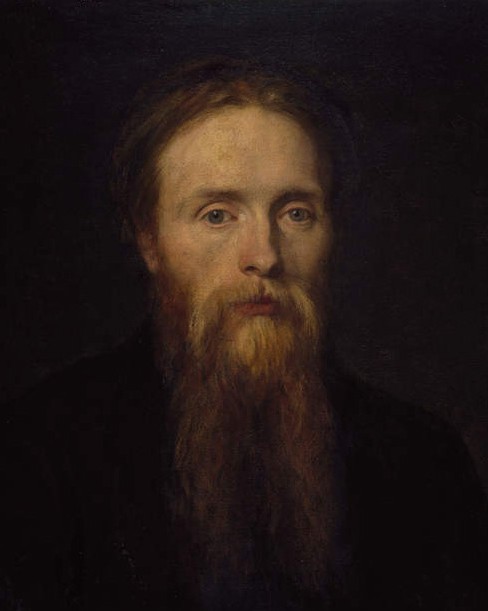
Edward Burne-Jones (1833–1898)
Edward Burne-Jones belonged to the later generation influenced by the Pre-Raphaelites. He also designed stained glass, tapestries, and decorative works in collaboration with William Morris.
Famous works include:
- The Golden Stairs
- The Beguiling of Merlin
- The Wheel of Fortune
- The Briar Rose series
- The Rock of Doom
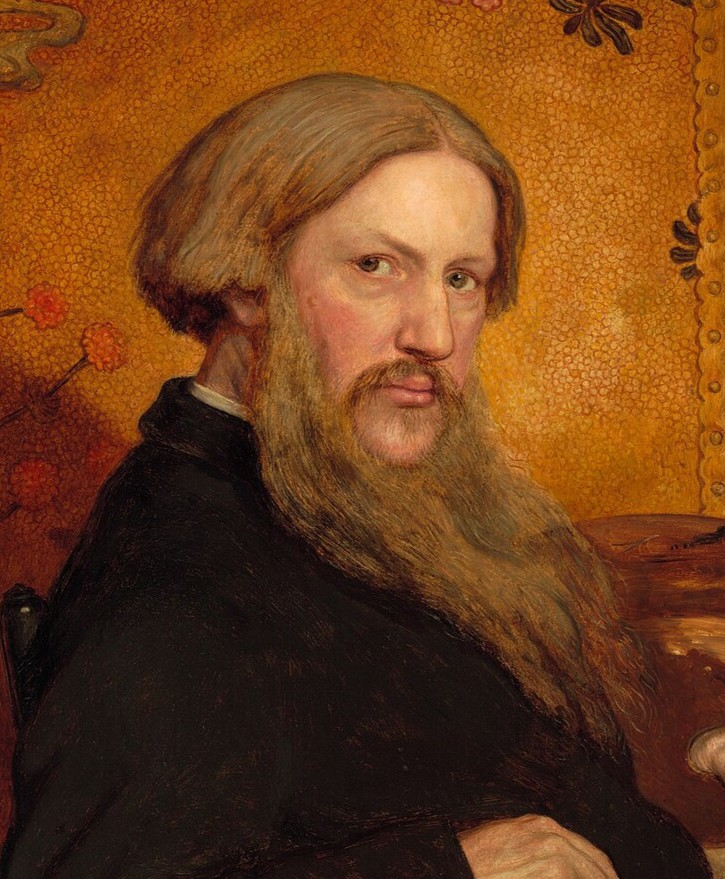
Ford Madox Brown (1821–1893)
Ford Madox Brown was closely associated with the Pre-Raphaelite circle, though he was never formally a member of the Brotherhood. His paintings often combined detailed realism with historical and contemporary subjects.
Famous works include:
- Work
- The Last of England
- An English Autumn Afternoon
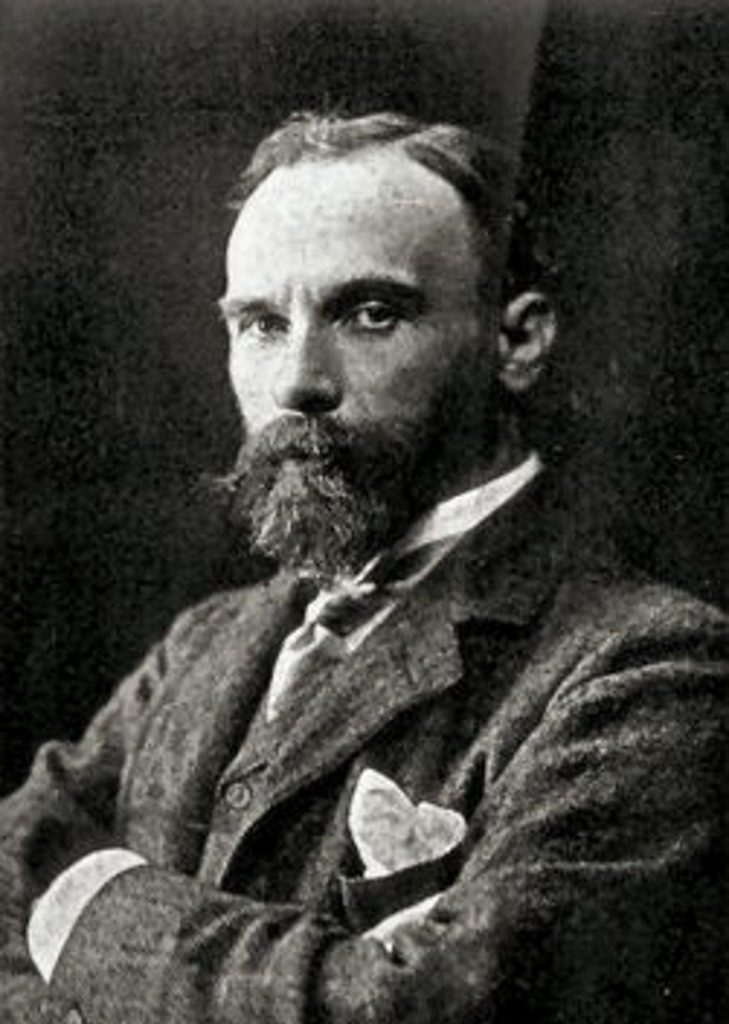
John William Waterhouse (1849–1917)
Waterhouse was born after the original Pre-Raphaelite Brotherhood was founded and wasn’t formally a member. However, his paintings were strongly influenced by Pre-Raphaelite themes.
Famous works include:
- The Lady of Shalott
- Hylas and the Nymphs
- Circe Offering the Cup to Ulysses
- The Soul of the Rose
- Ophelia
Famous Paintings from the Pre-Raphaelite Movement

Ophelia — John Everett Millais
Millais’s Ophelia is one of the most famous paintings of the 19th century. Inspired by Shakespeare’s Hamlet, Ophelia floats in a stream surrounded by incredibly detailed vegetation. Many of the flowers carry symbolic meaning.
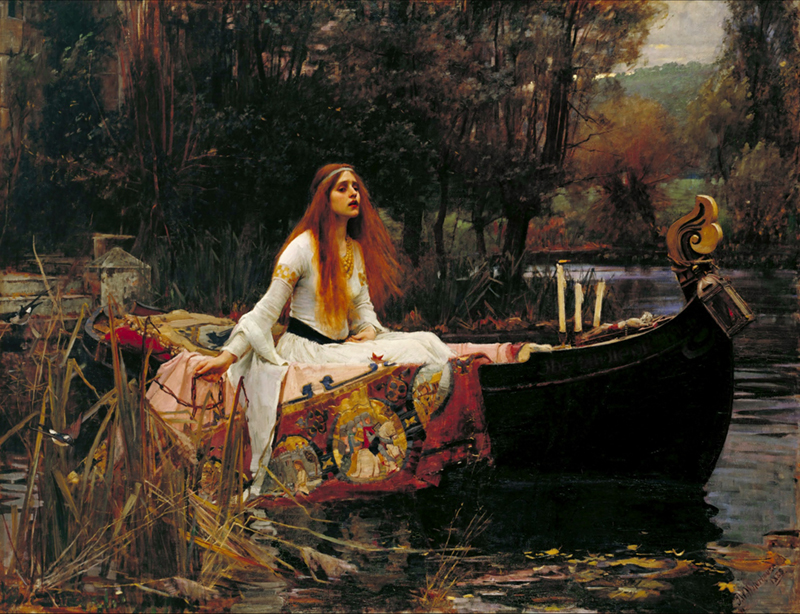
The Lady of Shalott — John William Waterhouse
Inspired by Alfred, Lord Tennyson’s poem, the painting shows the Lady of Shalott leaving her tower and floating toward Camelot. Many details connect directly to Tennyson’s poem, making it especially valuable for combining art appreciation with classic literature.

The Light of the World — William Holman Hunt
Christ stands outside a closed door holding a lantern. The painting is filled with symbolism, and the door has no visible outside handle, suggesting that it must be opened from the inside.

The Daydream — Dante Gabriel Rossetti
A woman lost in thought, surrounded by lush greenery and flowers. The rich colors, detailed natural setting, and dreamlike mood are characteristic of Rossetti’s later Pre-Raphaelite style, which often combined beauty, symbolism, and a sense of mystery.
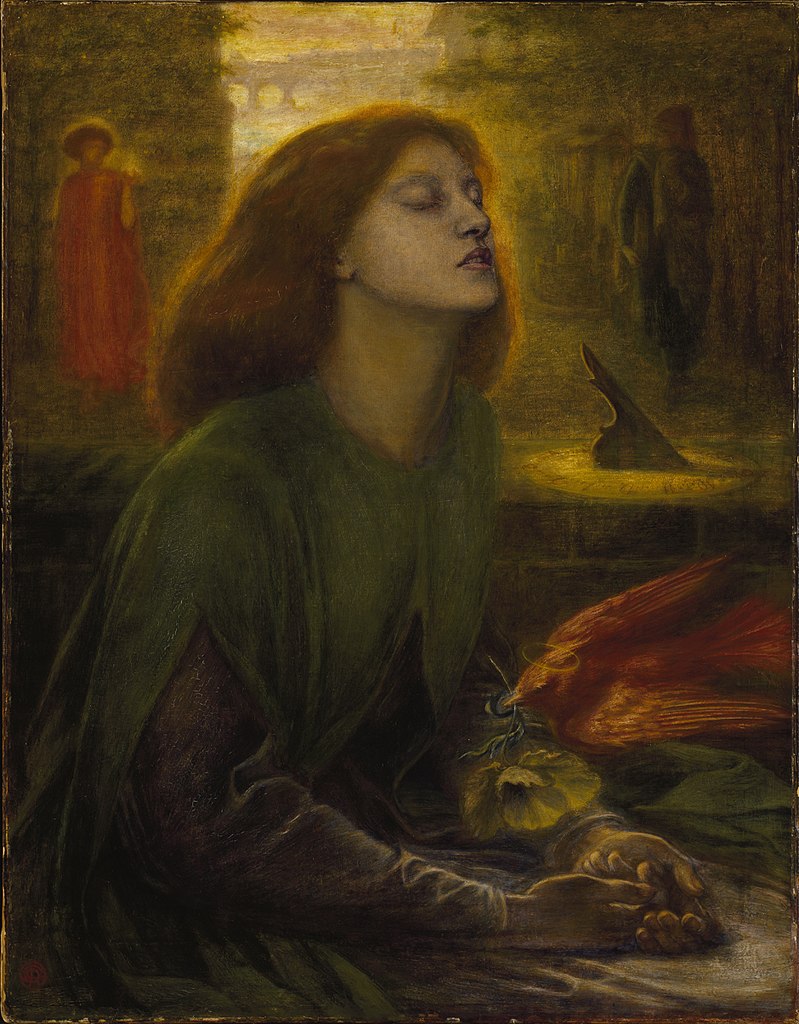
Beata Beatrix — Dante Gabriel Rossetti
Rossetti painted this symbolic image in memory of his wife, Elizabeth Siddal, and connects her with Beatrice from the writings of Dante.

Christ in the House of His Parents — John Everett Millais
The young Christ is shown in Joseph’s workshop, surrounded by the tools and ordinary details of a working carpenter’s life, reflecting the Pre-Raphaelites’ desire to bring religious subjects down to earth and portray them with the freshness and detail of early Renaissance art.

Our English Coasts, (“Strayed Sheep”) — William Holman Hunt
Sheep graze among the rugged cliffs of the English coast, with brilliant sunlight illuminating the landscape. Hunt’s painstaking attention to natural detail and intense, clear colors capture the Pre-Raphaelite commitment to studying nature closely and painting it with extraordinary vividness.
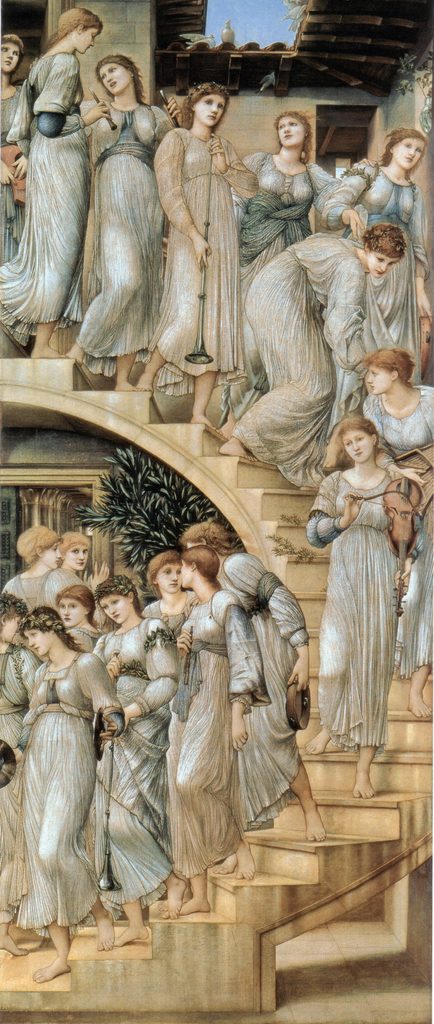
The Golden Stairs — Edward Burne-Jones
A procession of women descends a winding staircase carrying musical instruments. The painting has no clear narrative, but instead creates a dreamlike combination of rhythm, repetition, and movement.
Pre-Raphaelites vs. Realism: What’s the Difference?
The Pre-Raphaelite Brotherhood emerged around the same time as Realism, and while both movements cared deeply about careful observation, they used that observation differently.
Realist artists often emphasized:
- ordinary people
- contemporary life
- work
- social conditions
- familiar landscapes
- everyday reality
Think of Millet’s The Gleaners.
Pre-Raphaelite artists often emphasized:
- literature
- medieval stories
- biblical subjects
- symbolism
- poetry
- brilliant color
- meticulous natural detail
Think of Millais’s Ophelia.
A Realist artist might carefully observe a farmer working in a field.
A Pre-Raphaelite artist might carefully observe every flower in that same field, but include a literary figure among them.
Pre-Raphaelite Picture Study Suggestions
The Pre-Raphaelites are exceptionally well suited to Charlotte Mason picture study, homeschool art appreciation, literature study, and family art history. Their paintings reward careful observation because they contain so many meaningful details.
John Everett Millais Picture Study
- Ophelia
- The Blind Girl
- Mariana
- Christ in the House of His Parents
- A Huguenot, on St. Bartholomew’s Day
- The Return of the Dove to the Ark
Dante Gabriel Rossetti Picture Study
- The Day Dream
- Beata Beatrix
- Proserpine
- A Vision of Fiammetta
- Lady Lilith
- Bocca Baciata
William Holman Hunt Picture Study
- The Light of the World
- The Hireling Shepherd
- The Awakening Conscience
- The Scapegoat
- Our English Coasts
- The Shadow of Death
Edward Burne-Jones Picture Study
- The Golden Stairs
- The Last Sleep of Arthur in Avalon
- Saint Cecilia
- The Beguiling of Merlin
- The Briar Rose series
John William Waterhouse Picture Study
- The Lady of Shalott
- The Soul of the Rose
- Ophelia
- Cleopatra
- La Belle Dame sans Merci
- Circe Offering the Cup to Ulysses
How to Do a Simple Pre-Raphaelite Picture Study
Choose one painting and allow your child to look at it for several minutes. Remove the painting from view, then ask the child to describe the painting from memory. Afterward, look at the artwork again and notice anything that was missed.
Some questions you could ask could be:
- What detail did you notice first?
- How many different plants or flowers can you find?
- What colors stand out?
- What might the objects symbolize?
- What story is happening?
- What do you notice about the clothing?
- What clues tell you something about the character?
- What is happening in the background?
- Does the painting remind you of a poem or story?
- What might have happened just before this moment?
- What might happen next?
Pre-Raphaelite paintings are especially wonderful for teaching children that details can tell a story.
How to Recognize Pre-Raphaelite Art
If you encounter an unfamiliar painting, look for these clues.
Look for brilliant color. Do the reds, greens, blues, and golds look unusually vivid?
Look for extreme detail. Can you identify individual leaves, flowers, patterns, or strands of hair?
Look for nature. Are plants and flowers carefully observed rather than loosely suggested?
Look for medieval themes and stories. Knights, flowing gowns, Arthurian legends, and old castles are common.
Look for literary subjects. Does the painting seem connected to Shakespeare, Tennyson, Dante, or mythology?
Look for symbolism. Do flowers, books, mirrors, birds, candles, or other objects seem deliberately placed?
Look at the faces. Do the figures seem dreamy, intense, sorrowful, or emotionally distant?
Look for rich textiles. Patterned dresses, tapestries, embroidery, and luxurious interiors are common.
Look for a story. Does the painting feel like one scene from a larger narrative?
When several of these characteristics appear together, you may be looking at Pre-Raphaelite art.
Easy Pre-Raphaelite Art Activities for Students
Create a Botanical Study. Choose one flower or plant and draw it carefully from observation. Include leaves, stems, veins, petals, and small imperfections. Pre-Raphaelite artists believed careful observation mattered.
Illustrate a Poem. Choose a poem and create a detailed image inspired by it. Include symbolic objects that connect to the words.
Create a Symbolic Flower Painting. Research traditional meanings of flowers, and choose a flower that represents an idea such as love, remembrance, hope, or faithfulness.
Illustrate a Shakespeare Scene. Choose a scene from Shakespeare and imagine how a Pre-Raphaelite artist might paint it. Think about clothing, setting, plants, symbols, and expression.
Design a Medieval Pattern. Create a repeating pattern inspired by vines, flowers, birds, or leaves.
Paint Jewel-Like Colors. Create a small painting using intensely saturated reds, greens, purples, blues, and gold.
Compare Realism and Pre-Raphaelite Art. Place a Realist painting beside a Pre-Raphaelite painting and ask:
- Which depicts more ordinary life?
- Which tells a literary story?
- Which uses brighter colors?
- Which includes more symbolism?
- How carefully does each artist observe nature?
Frequently Asked Questions About Pre-Raphaelite Art
Who were the Pre-Raphaelites?
The Pre-Raphaelite Brotherhood was a group of young British artists founded in 1848 by Dante Gabriel Rossetti, John Everett Millais, and William Holman Hunt. They wanted to reform British art by returning to brilliant color, careful observation, sincere storytelling, and qualities they admired in art before Raphael.
Why were they called the Pre-Raphaelites?
They admired European art created before and around the early Renaissance because they believed later academic art had become too formulaic. The name reflected their desire to recover qualities they associated with art before the influence of Raphael became dominant in academic teaching.
When was the Pre-Raphaelite movement?
The Brotherhood was founded in 1848. Its original phase was strongest during the late 1840s and 1850s, but its influence continued throughout the Victorian era.
Where did the Pre-Raphaelite movement begin?
The movement began in London, England.
What are the main characteristics of Pre-Raphaelite art?
Important characteristics include:
- brilliant color
- extraordinary detail
- careful observation of nature
- literary subjects
- medieval themes
- symbolism
- religious subjects
- elaborate textiles
- emotional storytelling
- highly distinctive figures
Who were the most famous Pre-Raphaelite artists?
Important artists include:
- Dante Gabriel Rossetti
- John Everett Millais
- William Holman Hunt
- Edward Burne-Jones
- Ford Madox Brown
Artists such as John William Waterhouse were later influenced by the movement and are often discussed alongside the Pre-Raphaelites.
Was John William Waterhouse a Pre-Raphaelite?
Not technically. Waterhouse wasn’t a member of the original Pre-Raphaelite Brotherhood. He belonged to a later generation, but his literary subjects, medieval themes, rich color, detailed natural settings, and poetic figures were strongly influenced by Pre-Raphaelite art.
What is the most famous Pre-Raphaelite painting?
John Everett Millais’s Ophelia is probably the most famous original Pre-Raphaelite painting. John William Waterhouse’s The Lady of Shalott is also strongly associated with the broader Pre-Raphaelite tradition.
Why did the Pre-Raphaelites paint so many flowers?
They believed in carefully observing nature, and flowers also carried symbolic meanings. In works such as Ophelia, individual flowers contribute to the story as well as the visual beauty of the painting.
Why were the Pre-Raphaelites interested in the Middle Ages?
They admired medieval literature, craftsmanship, spirituality, storytelling, and design. Their fascination with medieval culture was also partly a reaction against the industrialization of Victorian Britain.
Were the Pre-Raphaelites part of Romanticism?
They were influenced by Romantic ideas such as emotion, imagination, literature, medievalism, and nature. However, the Pre-Raphaelites formed their own distinct movement with a recognizable emphasis on brilliant color, precise detail, symbolism, and close observation.
How are the Pre-Raphaelites connected to William Morris?
William Morris became closely connected with Dante Gabriel Rossetti and Edward Burne-Jones. Their shared love of medieval art, nature, handcraft, and beautiful design helped contribute to the development of the Arts and Crafts Movement.
What Pre-Raphaelite artists are best for children to study?
John Everett Millais, William Holman Hunt, Edward Burne-Jones, and John William Waterhouse offer many engaging choices. Millais’s The Blind Girl, Waterhouse’s The Lady of Shalott, and Hunt’s The Light of the World provide especially rich opportunities for observation and narration.
Because many Pre-Raphaelite paintings draw from tragic literature, biblical stories, or mythology, preview individual works before using them with younger students.
Explore the Stories and Symbols of Pre-Raphaelite Art
Pre-Raphaelite art rewards careful observation, as their paintings often feature a story waiting to be discovered. And because so many of their paintings are connected with poetry, Shakespeare, mythology, biblical stories, and Arthurian legend, they offer beautiful opportunities to bring art and literature together.
Ask your children, “What clues did the artist leave for us?” Then see how many they can discover. The longer they look, the more the painting begins to speak.
Learn more about the Pre-Raphaelites with these books:
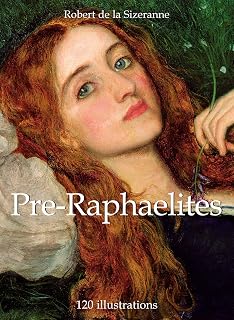
Pre-Raphaelites (Basic Art Series 2.0) The Pre-Raphaelites: Their Lives and Works in 500 Images: A study of the artists, their lives and context, with 500 images, and a gallery showing 300 of their most iconic paintings (Great Artists)The Pre-Raphaelites: From Rossetti to Ruskin (Penguin Classics)The Pre-Raphaelite Language of FlowersThe Pre-Raphaelites: Colour LibraryJohn Everett Millais (British Artists)Rossetti: Colour LibraryWilliam Holman Hunt: The true Pre-RaphaelitePre-Raphaelites 120 illustrations (Mega Square)The Pre-Raphaelites: A Catalogue for the Tate ExhibitionThe Pre-Raphaelites (64 Book 1)