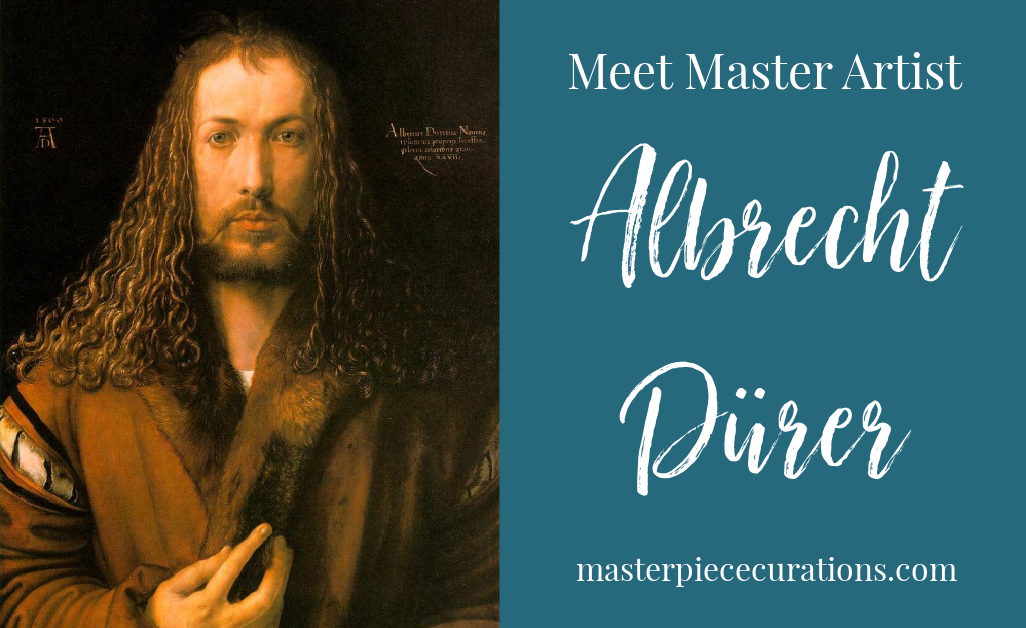
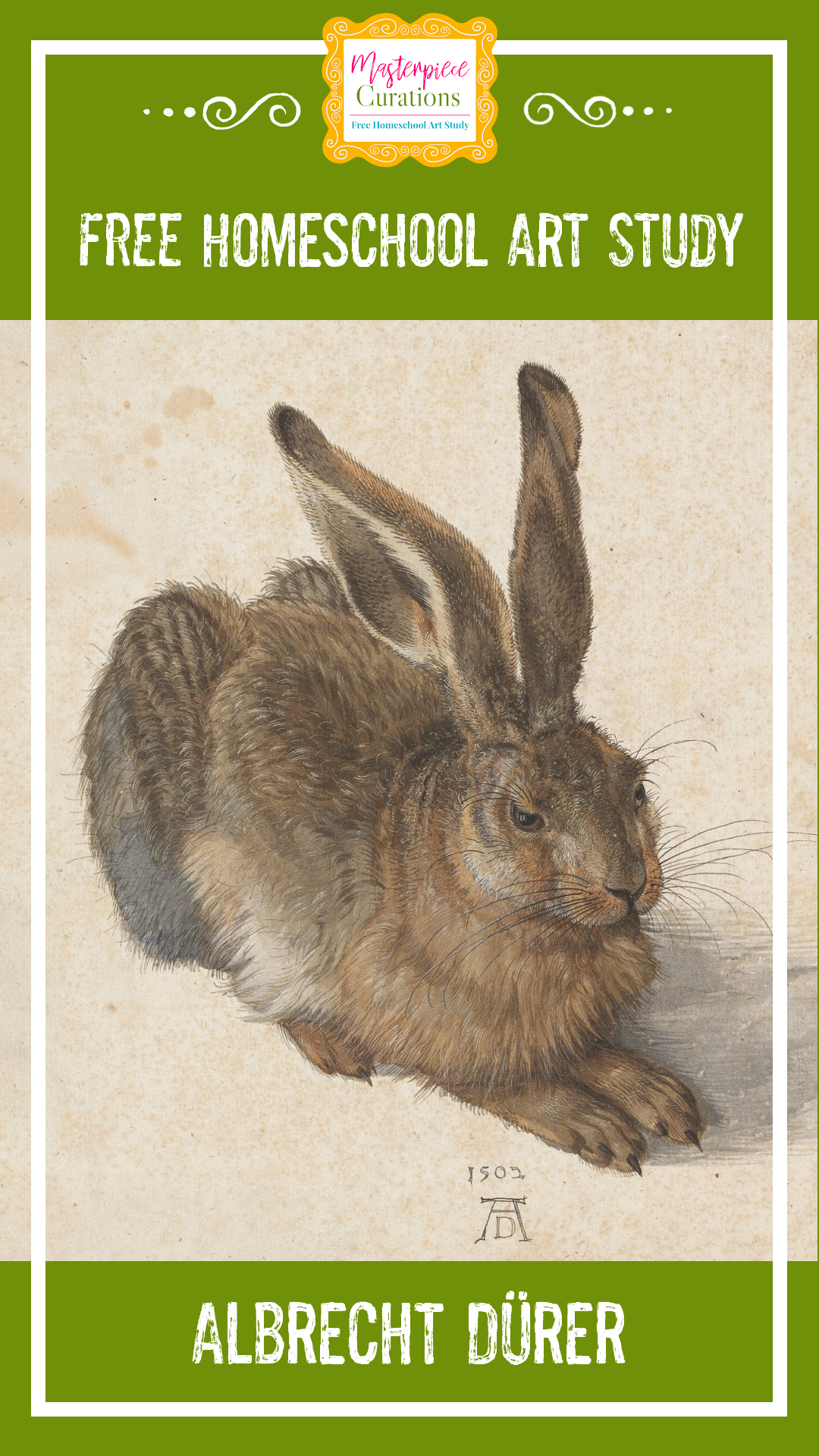
Without Albrecht Dürer, printmaking as we know it within art history and contemporary art, would not exist. Learn more about this master artist with this post!
Albrecht Dürer Early Life
Albrecht Dürer (pronunciation) was born in Nuremberg, Germany on May 21, 1471. The son of a goldsmith, he was apprenticed to his father when he was very young, but his true desire was to be an artist.
At the age of 13, Albrecht became the first artist to create a “self-portrait.” He used a mirror as he worked to see his reflection and to create an accurate rendering of himself. This image became the first of four self-portraits Dürer would produce.

When he was 15 years old, he was apprenticed to Michael Wolgemut, a famous artist in his hometown at the time. Wolgemut specialized in creating woodcuts for prints to illustrate books.
In 1494, at the age of 22, Albrecht married Agnes Frey. It was most likely an arranged marriage without any emotional attachment, but they eventually developed a mutual affection for one another. Sadly, they never had any children.
Albrecht Dürer Career
Not too long after his marriage, Albrecht went on his first trip to Venice in order to learn from the Italian Renaissance masters. There for the first time in his life, he became acquainted with some of the greatest artists of all time and was able to learn about classical art and study theories of proportion and perspective.
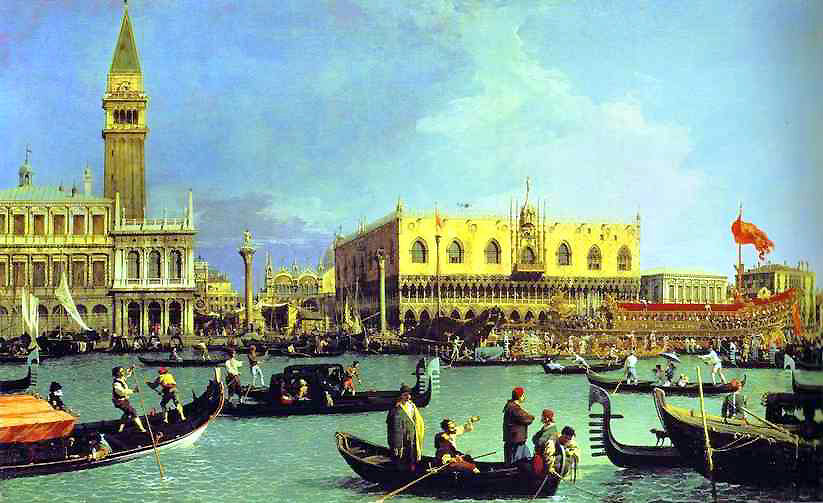
In 1495, Dürer set up his own workshop in Nuremberg where he specialized in producing high-quality prints with his innovative woodcutting techniques. His works showed a strong Italian influence.
From 1505 through 1507, he visited Venice for a second time, studying more about art theory, learning new printmaking techniques, and getting fresh inspiration. Dürer greatly admired Leonardo da Vinci and was intrigued by his studies of the human figure. He applied and adapted Da Vinci’s proportions to his own drawings, and later published these, along with other ideas on art theory.
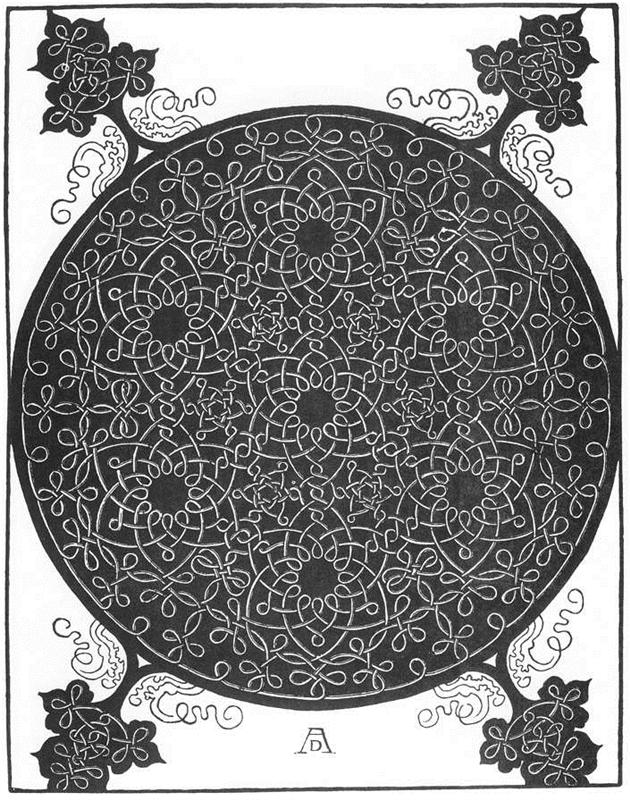
Dürer’s woodcuts were seen by the Holy Roman Emperor, Maximilian I, who became his patron (someone who supported him financially so he was free to create), in 1512. Dürer painted a portrait of him, as well as the famed humanist, Erasmus.
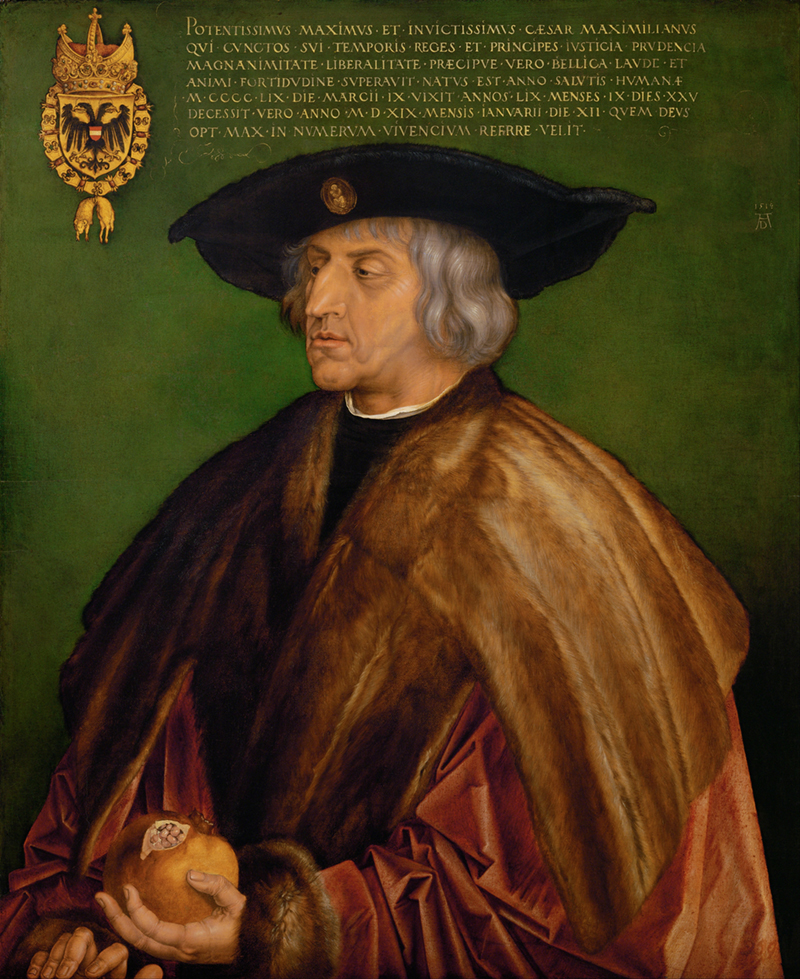
Albrecht Dürer set high artistic standards for himself and excelled in every medium he utilized – drawing, painting, and printing. He gave great attention to detail and realism in his works, but it was his prints that made him famous throughout Europe.
Dürer was a master draftsman, watercolorist, oil painter, and engraver. Sadly, only sixty of his oil paintings are still in existence. But he wasn’t just an artist, he was also a theorist and mathematician, writing books on geometry, city fortification, and human proportions.
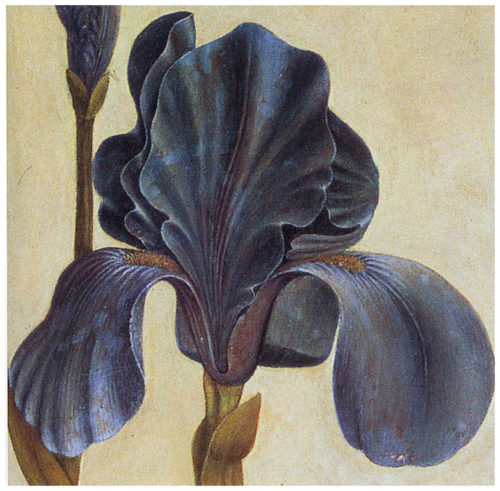
“As I grew older, I realized that it was much better to insist on the genuine forms of nature, for simplicity is the greatest adornment of art.” — Albrecht Dürer

Albrecht Dürer Death
Albrecht Dürer died on April 6, 1528, at the age of 56. Today, he is considered the greatest printmaker of all time.
From the Masterpiece Society…
Durer Art Appreciation StudyBuy NowAlbrecht Durer Art LessonsBuy NowAlbrecht Durer Spotlight PacketBuy Now


Books recommended for further study…

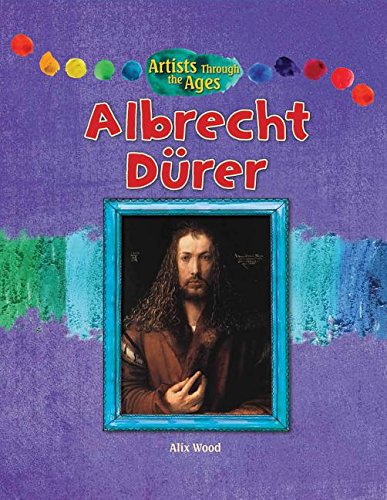
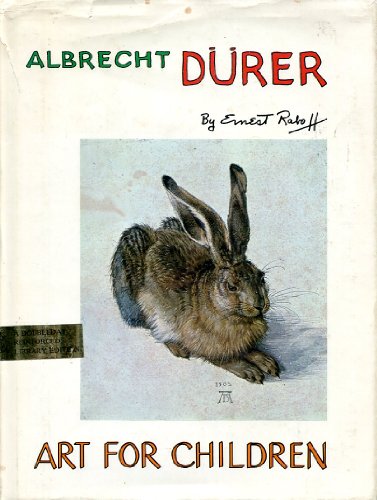
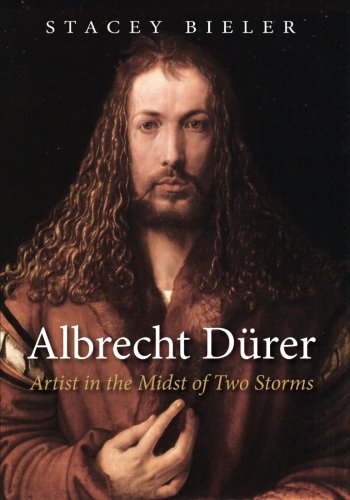
Albrecht Durer (Artists Through the Ages) Albrecht Durer Art (Art for Children)Albrecht Dürer: Artist in the Midst of Two Storms